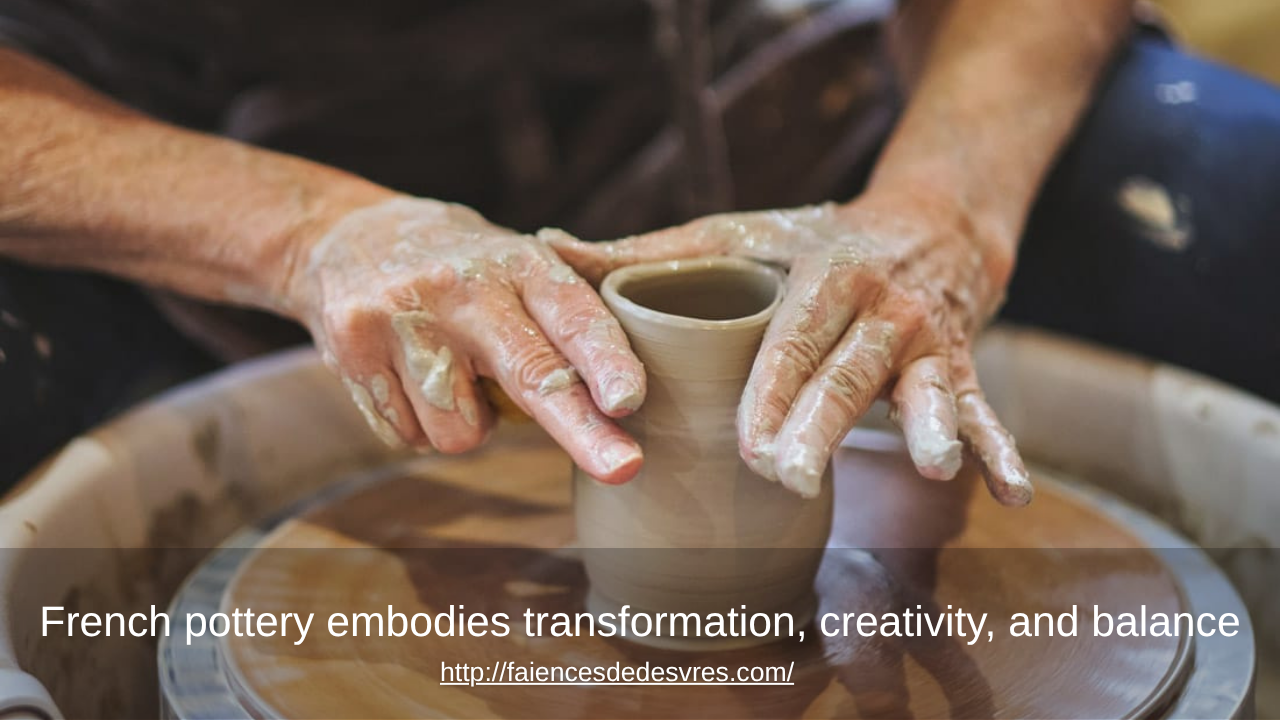
Shaping Hope: French Pottery Traditions in Modern Addiction Recovery

Addiction recovery is a deeply personal journey that requires courage, patience, and the rediscovery of self. While traditional therapy and medical support are vital, many individuals find that creative practices can open new doors to healing. One such practice is pottery, an art form that has long been a symbol of transformation. In France, where pottery traditions like those of Desvres have been refined over centuries, this ancient craft is finding new meaning in modern addiction recovery. By shaping clay, individuals also learn to shape hope, resilience, and balance in their lives.

The Therapeutic Power of Clay

Pottery is more than an artistic pursuit. It is a mindful, hands-on practice that engages the senses, calms the mind, and promotes self-expression. For individuals recovering from addiction, working with clay provides a grounding experience that helps reduce anxiety and build focus. The process of molding, shaping, and refining a piece mirrors the recovery journey — beginning with uncertainty and evolving through effort, patience, and care.

Mindfulness and Presence

In addiction treatment, mindfulness is a cornerstone of healing. Pottery naturally cultivates mindfulness by drawing attention to the present moment. As the hands move through the soft clay, the mind becomes still and focused. Each breath, each motion, becomes an act of awareness. This practice helps individuals manage stress, quiet racing thoughts, and stay anchored in the here and now — an essential skill for lasting sobriety.

French Pottery Traditions and the Art of Healing

French pottery is steeped in heritage and meaning. From the elegant faïence of Desvres to the rustic ceramics of Provence, each piece tells a story of creativity and perseverance. When integrated into recovery programs, these traditions take on new significance. They remind participants that beauty can emerge from imperfection and that strength is often forged through pressure and transformation.

Creating a Sense of Purpose

Addiction often strips away a person’s sense of purpose. Pottery helps rebuild that connection by offering a meaningful, productive outlet. Completing a handmade piece gives individuals a tangible sense of accomplishment, reinforcing self-esteem and personal value. The satisfaction of creating something from nothing parallels the process of rebuilding one’s life, piece by piece.

Holistic Recovery Through Creativity

At [faiencesdedesvres.com], healing is approached holistically. The center’s programs combine evidence-based therapies, faith-based guidance, and creative outlets like pottery to nurture the whole person — body, mind, and spirit. Whether through inpatient care or flexible outpatient support, clients are encouraged to engage in activities that promote mindfulness, emotional release, and personal growth.

Pottery as a Community Experience

In group settings, pottery workshops foster connection and support. Recovery can often feel isolating, but creating art together builds community and shared understanding. Participants encourage one another, celebrate progress, and learn from mistakes — both in clay and in life. This sense of belonging plays a vital role in emotional healing and relapse prevention.

From Clay to Confidence

Each stage of pottery — from molding to firing to glazing — requires patience and trust in the process. Likewise, recovery unfolds over time, revealing strength through persistence. The lessons learned at the pottery wheel translate directly into daily life: resilience, adaptability, and the courage to begin again after setbacks. Through creative therapy, individuals gain the confidence to face challenges with clarity and hope.

Shaping a Future of Strength and Possibility

French pottery embodies transformation, creativity, and balance — qualities that are essential in addiction recovery. At [faiencesdedesvres.com], this centuries-old craft is reimagined as a pathway to healing, helping individuals find peace, purpose, and renewed self-worth. Recovery is not about perfection. It is about progress, patience, and the willingness to keep shaping a better life.

If you or someone you love is ready to begin the journey toward healing, reach out to [faiencesdedesvres.com] today. Together, we can shape a future filled with hope, strength, and lasting recovery.
From Wheel to Wellness: Pottery Workshops as a Path to Sobriety

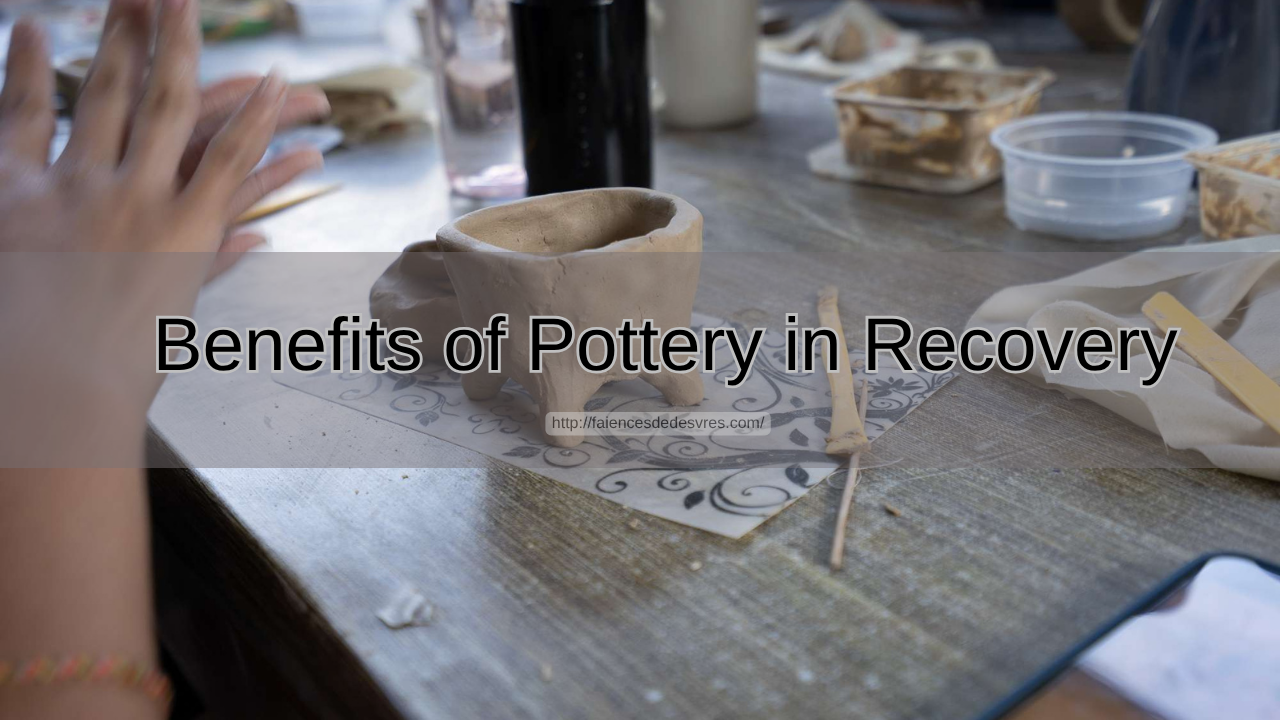
Recovery from addiction is a journey that goes beyond physical detox. It requires emotional resilience, mental clarity, and the development of healthy coping mechanisms. While traditional therapies are essential, creative approaches are increasingly recognized for their ability to support lasting change. One such approach is pottery, where the tactile art of shaping clay becomes a tool for mindfulness, self-expression, and emotional healing. In France, pottery workshops offer individuals in recovery a unique path from the wheel to wellness, combining craftsmanship with holistic care.

The Therapeutic Benefits of Pottery in Recovery

Pottery engages both the mind and body, creating a grounded, mindful experience that encourages focus and patience. For individuals navigating early sobriety, this hands-on activity can be especially beneficial. The repetitive motions of molding, shaping, and smoothing clay calm the nervous system, reduce stress, and foster a sense of accomplishment. By centering attention on the creative process, participants gain a practical way to manage cravings and redirect energy toward constructive, purposeful activity.

Mindfulness and Emotional Awareness

Mindfulness is a critical component of recovery. Pottery naturally promotes this practice. Each movement on the wheel demands attention, encouraging participants to stay present and aware. This focused engagement helps individuals process emotions, develop patience, and build resilience. Over time, pottery can become a meditative practice that supports long-term mental and emotional stability.

Expressing the Inexpressible

Addiction often comes with complex feelings that can be difficult to articulate. Pottery provides a non-verbal outlet for emotional expression. The shapes, textures, and colors chosen in clay work become a form of communication, allowing participants to explore and release emotions safely. In doing so, they learn to acknowledge their feelings rather than suppress them, a crucial step in sustaining sobriety.

French Pottery Workshops as a Supportive Community

France’s rich pottery traditions, from the faïence of Desvres to the refined ceramics of Limoges, offer both cultural inspiration and therapeutic benefits. Workshops rooted in these traditions provide structured guidance while fostering a sense of community. Working side by side, participants share progress, offer encouragement, and celebrate achievements. This social support is essential, as rebuilding connections and combating isolation are key factors in successful recovery.

Building Confidence and Purpose

Completing a piece of pottery instills a sense of pride and accomplishment. For individuals recovering from addiction, this tangible achievement reinforces self-esteem and demonstrates that change is possible. Each finished piece serves as a metaphor for personal growth — fragile at first, yet strengthened through dedication and care.

Integrating Pottery into Holistic Recovery

At [Faïences de Desvres], recovery programs are designed with a holistic perspective. Inpatient and outpatient services combine evidence-based therapies with individualized care, faith-based support, and creative practices such as pottery. Integrating art into treatment nurtures the whole person — mind, body, and spirit — and encourages participants to discover new skills, interests, and healthy routines.

Flexible Care Options

Inpatient programs offer immersive environments where pottery sessions complement therapy and medical support. Outpatient programs provide flexibility for those balancing work, family, and recovery. In both settings, pottery becomes a consistent, grounding practice that reinforces mindfulness, emotional growth, and social connection.

Shaping a New Life

Pottery is more than an art form; it is a powerful metaphor for recovery. Just as clay is shaped, strengthened, and transformed, individuals in recovery can rebuild their lives with guidance, patience, and care. French pottery workshops provide a safe, supportive, and creative environment where mindfulness, emotional expression, and community intersect.

If you or a loved one is seeking a holistic and compassionate approach to addiction recovery, [Faïences de Desvres] offers programs designed to nurture growth and wellness. From the wheel to lasting sobriety, each step in the creative process is a step toward a stronger, healthier future.

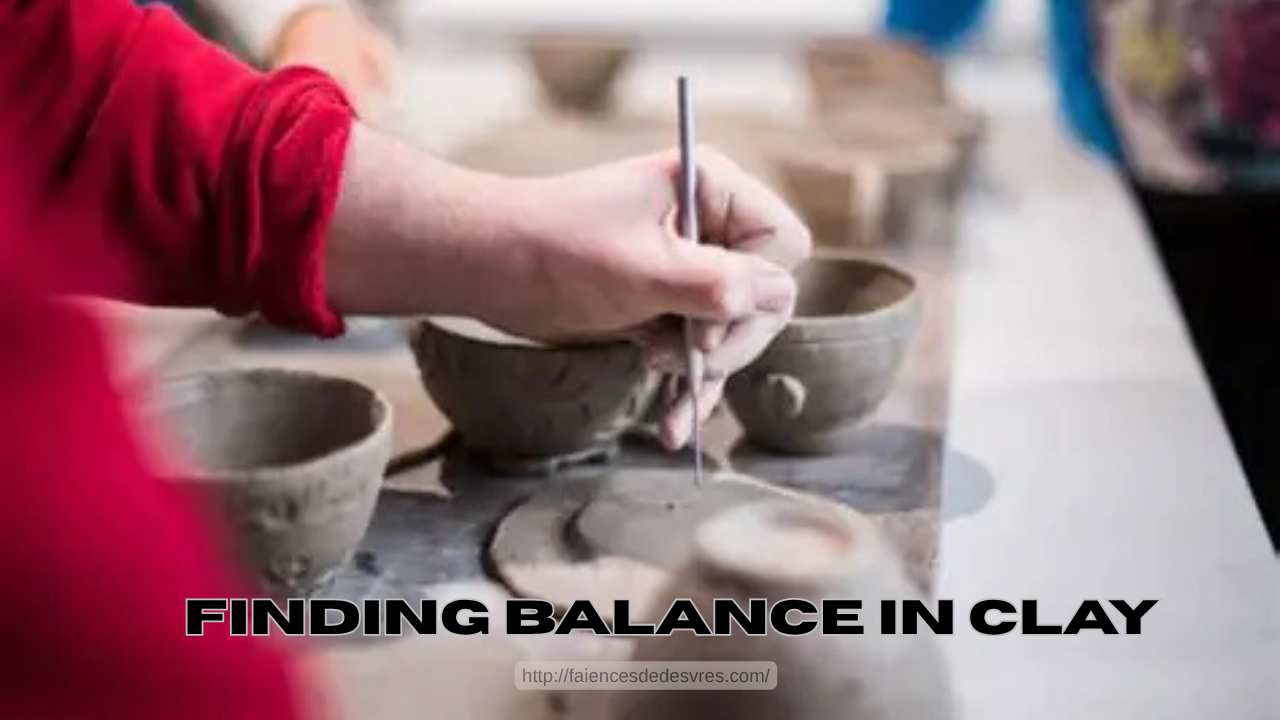
Finding Balance in Clay: The Role of Ceramics in Mental Health Treatment

In the journey toward mental wellness, true healing often comes from rediscovering balance — emotionally, physically, and spiritually. While traditional therapy and medical treatment remain essential, many individuals are finding comfort and purpose in creative practices such as ceramics. French pottery, with its deep history of craftsmanship and mindfulness, is emerging as an unexpected yet powerful companion to mental health recovery. Through the art of clay, people are learning to express emotions, rebuild confidence, and find peace within the process of creation.

The Mind-Body Connection in Clay Work

Working with clay is more than an artistic endeavor. It is a tactile, meditative experience that engages both the mind and body. The act of kneading, shaping, and glazing clay requires patience, focus, and gentle intention. These same qualities are crucial for emotional regulation and stress reduction. For individuals struggling with anxiety, depression, or addiction, pottery can serve as a grounding tool that encourages mindfulness and presence in the moment.

How Pottery Promotes Mindfulness

Mindfulness has become a cornerstone of many mental health treatments, and pottery naturally embodies its principles. Each motion on the wheel or brushstroke on a ceramic piece demands attention and calm focus. By engaging the senses — feeling the cool clay, hearing the rhythmic spin of the wheel, and watching form take shape — individuals can quiet intrusive thoughts and center themselves in the present. Over time, this mindful practice can help reduce racing thoughts, ease emotional tension, and improve overall well-being.

Rebuilding Confidence Through Creativity

Mental health challenges often erode self-esteem. Pottery provides a pathway to rebuild confidence and self-worth. When someone sees a lump of clay transformed into a beautiful or functional piece, it becomes a tangible reflection of growth and transformation. Even imperfections in the finished product serve as reminders that beauty and meaning can arise from struggle. This process parallels the journey of recovery — progress built one careful step at a time, guided by patience and care.

Ceramics as a Form of Emotional Expression

Not everyone finds it easy to articulate feelings with words. For many in recovery, pottery offers a safe, non-verbal outlet for emotional expression. The choice of shape, color, and texture becomes a language of its own. Within the nurturing environment of a therapeutic program, individuals can use this form of expression to explore and release emotions they may have held inside for years.

A Holistic Approach to Healing

At [faiencesdedesvres.com], healing is viewed as a whole-person journey. Their programs combine evidence-based therapies with holistic practices that nurture the mind, body, and spirit. Pottery workshops fit seamlessly into this philosophy. They help individuals reconnect with their creativity, develop emotional resilience, and find community with others walking the same path. Whether through inpatient care or outpatient programs, these creative therapies strengthen long-term mental health and encourage sustainable recovery.

The Power of Community in Healing

Pottery sessions often take place in group settings, creating opportunities for connection and support. As participants share stories, exchange techniques, and encourage one another, they build a sense of belonging that combats isolation — one of the most common barriers to recovery. The studio becomes a space of shared growth, where laughter, vulnerability, and hope coexist.

Shaping Peace, One Piece at a Time

In a world that often feels overwhelming, the simple act of shaping clay offers a profound reminder of patience, presence, and possibility. French ceramics, steeped in tradition and artistry, are more than works of beauty. They are tools of transformation that help individuals reclaim balance and rediscover meaning in their lives. If you or someone you love is seeking a path to healing, [faiencesdedesvres.com] offers compassionate, holistic care that integrates creativity and clinical expertise. Recovery begins with one mindful step — or in this case, one piece of clay at a time.