
Breaking the High Stakes: Understanding White-Collar Gambling Addiction and Recovery

Gambling addiction is often perceived as a problem affecting only certain groups or demographics, but white-collar professionals are increasingly facing this hidden struggle. High-pressure work environments, easy access to financial resources, and the drive for risk and reward can create the perfect conditions for gambling addiction to take hold. At [faiencesdedesvres.com], we recognize that addiction does not discriminate by job title or social status. Our holistic, client-centered approach helps professionals understand, address, and overcome gambling behaviors while supporting mental, emotional, and spiritual well-being.

Recognizing White-Collar Gambling Addiction

White-collar gambling addiction can be especially difficult to identify because it often occurs in private and may be hidden behind success or financial security. Individuals may engage in frequent betting, high-stakes investments, or online gambling, while outwardly maintaining a professional image. Over time, these behaviors can lead to significant personal and professional consequences, including financial loss, relationship strain, stress, anxiety, and depression.

Common Signs and Behaviors

Identifying white-collar gambling addiction involves looking beyond obvious financial loss. Some common indicators include:

  • Compulsive gambling despite negative consequences
  • Secrecy or deception about gambling activities
  • Using work bonuses or corporate funds for gambling
  • Experiencing stress, irritability, or anxiety related to gambling
  • Neglecting responsibilities or relationships in favor of gambling

Recognizing these signs early is essential to prevent further personal, professional, and emotional harm.

The Unique Challenges for Professionals

White-collar professionals face unique challenges in recovery. The high-stakes nature of their work can exacerbate feelings of shame or fear of judgment. Social pressures, long work hours, and financial responsibilities may create additional barriers to seeking help. Moreover, professionals may underestimate the severity of their gambling or delay seeking treatment due to concerns about privacy or career impact.

Why Specialized Care Matters

Treatment for white-collar gambling addiction must be tailored to these unique challenges. At [faiencesdedesvres.com], our programs combine evidence-based clinical care, individualized therapy, and holistic approaches to support recovery. This includes both inpatient and outpatient options, faith-based support, and creative therapies designed to address the mind, body, and spirit.

Pathways to Recovery

Recovery begins with acknowledgment and a willingness to seek help. Effective treatment for white-collar gambling addiction often includes:

  • Individual Counseling: Helping clients understand the underlying causes of gambling behaviors and develop coping strategies.
  • Group Therapy: Providing a safe space to share experiences, build accountability, and foster connection.
  • Financial Management Support: Teaching practical skills to regain control over finances and reduce triggers.
  • Holistic and Creative Therapies: Engaging the mind and body through mindfulness, art, and wellness practices to support emotional healing.

By addressing both the behavioral and emotional components of addiction, clients develop resilience and the tools needed to maintain long-term recovery.

Building a Supportive Environment

Family, peer, and community support are critical components of recovery. White-collar professionals often benefit from confidential group settings and individualized care plans that protect privacy while encouraging accountability. At [faiencesdedesvres.com], our client-centered programs prioritize safety, compassion, and understanding, ensuring that each individual receives care tailored to their unique journey.

Taking the First Step

White-collar gambling addiction is a serious issue, but it is treatable with the right combination of professional guidance, holistic care, and personal commitment. At [faiencesdedesvres.com], our programs offer a compassionate and structured environment to help professionals regain control, rebuild confidence, and reclaim a balanced life. If you or a loved one are struggling with gambling behaviors, reaching out today can be the first step toward lasting recovery, emotional wellness, and renewed purpose.
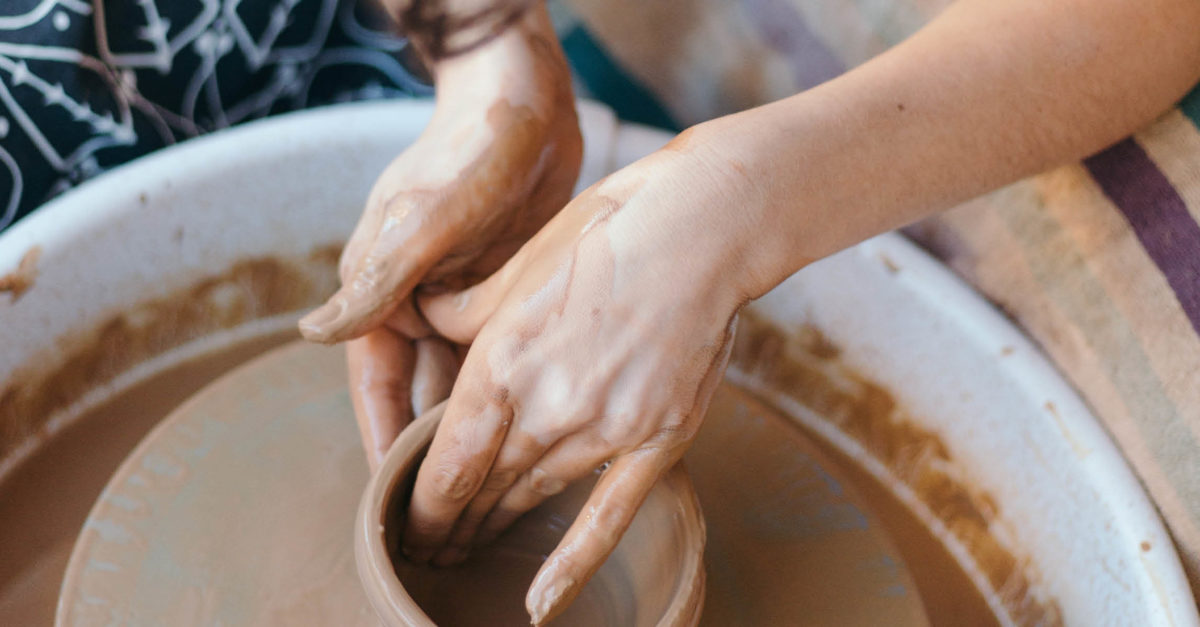
From Fragile Clay to Inner Strength: French Pottery as a Symbol of Healing

Addiction recovery is a journey of transformation that challenges individuals to rebuild not only their habits but also their sense of self. Healing often requires more than therapy and medical care—it calls for creative, mindful practices that engage the body, mind, and spirit. French pottery, with its centuries-old traditions, offers a powerful metaphor for this process. Just as fragile clay is carefully shaped into resilient, beautiful forms, individuals in recovery can cultivate inner strength, resilience, and self-awareness through hands-on creative expression. At [faiencesdedesvres.com], pottery is integrated into holistic treatment programs, providing a meaningful and therapeutic outlet that complements clinical care.

The Transformative Power of Clay

Working with clay engages the senses and promotes mindfulness, offering a tangible way to process emotions. The act of molding, shaping, and refining clay requires focus and presence, helping participants quiet their minds and center themselves. For individuals in recovery, this focus can reduce stress, improve emotional regulation, and create a sense of accomplishment that reinforces personal growth.

Mindfulness and Emotional Awareness

Mindfulness is a cornerstone of holistic recovery. Pottery naturally encourages participants to stay fully present, noticing each movement, texture, and shape. This engagement allows individuals to explore emotions safely, observe internal patterns, and develop coping skills that support long-term sobriety. Mindful pottery practice becomes a bridge between the creative process and emotional healing, fostering clarity and balance.

Expressing the Inexpressible

Addiction often distances individuals from their emotions, making verbal expression difficult. Pottery provides a non-verbal outlet for those feelings, translating inner experiences into tangible forms. The choices made in clay—curves, textures, and finishes—reflect personal states and create a safe space for emotional release. This process builds self-awareness and encourages healthier emotional habits that extend beyond the studio.

Rebuilding Confidence and Resilience

Pottery offers a clear way to restore confidence, which is often eroded by addiction. Completing a ceramic piece gives participants a visible representation of effort, progress, and skill. Mistakes in the studio are reframed as learning opportunities, echoing the realities of recovery, where setbacks are part of the journey. Each finished piece reinforces the message that growth comes from persistence and patience.

The Metaphor of Transformation

Clay begins as a soft, malleable material and is shaped through effort, care, and guidance into something strong and enduring. This process mirrors recovery: fragile at first, strengthened over time through consistent care, support, and intention. By connecting the creative act with personal growth, pottery becomes a powerful symbol of inner resilience and hope.

Community and Connection

Recovery is strengthened through connection. Pottery workshops at [faiencesdedesvres.com] create supportive environments where individuals can work side by side, share experiences, and celebrate achievements. These communal spaces foster accountability, reduce isolation, and provide encouragement, all of which are critical for sustaining long-term recovery.

Integrating Creativity Into Holistic Treatment

At [faiencesdedesvres.com], addiction recovery programs integrate clinical care, faith-based support, and creative therapy. Pottery sessions complement traditional counseling and mental health treatment, offering participants a practical, mindful, and expressive tool for healing. Engaging with clay supports emotional, mental, and spiritual growth, promoting balance and wellness on multiple levels.

Shaping a Stronger Self

French pottery embodies the journey from fragility to strength, just as recovery transforms lives. Through guided creative therapy, individuals in recovery learn to cultivate mindfulness, express emotions, rebuild confidence, and form meaningful connections. At [faiencesdedesvres.com], pottery is more than an art—it is a pathway to resilience, purpose, and lasting healing. If you or a loved one are ready to explore holistic recovery options, reaching out today can be the first step toward reshaping life with strength, balance, and hope.

Crafting Resilience: How Pottery Strengthens Emotional Wellness in Recovery

Addiction recovery is a journey that involves more than physical detoxification. It is a process of rebuilding emotional strength, mental clarity, and a sense of purpose. While traditional therapies provide the foundation for healing, creative practices like pottery offer an innovative and holistic approach to emotional wellness. At [faiencesdedesvres.com], the integration of French pottery traditions into recovery programs allows individuals to reconnect with themselves, cultivate mindfulness, and foster resilience in a supportive environment.

Pottery as a Path to Emotional Healing

The hands-on nature of pottery provides a unique form of therapy. Shaping clay engages both the mind and body, creating a grounding, meditative experience. This tactile engagement encourages focus, reduces stress, and promotes emotional regulation—critical skills for those navigating the challenges of recovery. By concentrating on the present moment and the physical act of creation, participants gain clarity and calm that extends beyond the studio.

Mindfulness and Focus Through Clay

Mindfulness is a vital component of holistic recovery programs. Pottery naturally encourages participants to stay present. Every motion—centering the clay, forming shapes, or applying glaze—requires attention and deliberate action. This focused practice helps reduce anxiety, manage intrusive thoughts, and strengthen coping skills, all of which support long-term emotional wellness and sobriety.

Expressing Emotions Without Words

Many individuals in recovery struggle to articulate their feelings verbally. Pottery offers an alternative outlet for expression. The textures, shapes, and designs chosen in a piece of clay often reflect inner emotions, allowing participants to process and release them safely. This non-verbal expression can improve self-awareness and foster emotional growth in ways that complement traditional counseling and therapy sessions.

Rebuilding Confidence and Resilience

Addiction can erode self-esteem and leave individuals feeling powerless. Pottery provides a clear and tangible way to rebuild confidence. Each piece created serves as a testament to persistence, patience, and personal growth. Mistakes in clay are reframed as learning opportunities, reinforcing the idea that setbacks are part of progress—a principle that mirrors the recovery journey itself.

Strengthening a Sense of Purpose

Completing a piece of pottery instills a sense of accomplishment and personal value. Participants begin to see themselves not as defined by their addiction, but as capable creators of change. This renewed sense of purpose encourages resilience and empowers individuals to take proactive steps in other areas of their lives, reinforcing holistic recovery.

Community and Connection Through Creativity

Recovery is rarely a solitary process. Pottery workshops foster community by creating shared spaces where participants can collaborate, encourage one another, and celebrate achievements. This social support combats isolation, a common challenge in recovery, and builds networks that help sustain long-term emotional wellness.

Integrating Pottery into Holistic Care

At [faiencesdedesvres.com], recovery is approached through holistic, faith-based, and individualized programs. Pottery workshops are incorporated alongside clinical care, counseling, and spiritual guidance to support the mind, body, and spirit. These creative sessions complement traditional therapies by offering participants a practical, engaging way to develop coping skills and cultivate resilience.

Shaping Emotional Strength One Piece at a Time

Pottery is more than an art form—it is a tool for building resilience, self-awareness, and emotional wellness. Through the compassionate guidance and holistic programs offered at [faiencesdedesvres.com], individuals in recovery can harness creativity to rebuild confidence, manage emotions, and cultivate meaningful connections. Each piece of clay shaped represents progress, patience, and hope. If you or a loved one is seeking a holistic path to lasting recovery, reaching out today can be the first step toward reshaping life with purpose, strength, and resilience.

Why Clay Matters: Pottery as a Holistic Approach to Addiction Treatment

Recovery from addiction is a journey that touches every part of a person’s life: emotional, mental, and spiritual. Traditional therapies, counseling, and medical care are critical, yet creative practices are increasingly recognized for their ability to support holistic healing. Among these, pottery stands out as a hands-on approach that combines mindfulness, self-expression, and skill-building. At [faiencesdedesvres.com], the integration of French pottery traditions into addiction treatment programs provides individuals with a meaningful and therapeutic outlet that complements clinical care.

The Mindful Practice of Pottery

Pottery requires focus, patience, and deliberate attention to detail. For those in recovery, these qualities foster mindfulness, which is a cornerstone of holistic addiction treatment. Engaging with clay encourages participants to slow down, notice sensations, and immerse themselves fully in the creative process. This mindful presence can reduce stress, calm the nervous system, and help individuals regulate emotions, all of which support long-term recovery.

How Clay Encourages Emotional Awareness

Addiction often distances individuals from their emotions, making it difficult to process feelings in healthy ways. Pottery offers a tangible and non-verbal outlet for emotional expression. The textures, shapes, and colors chosen in the creation of a ceramic piece often reflect internal states, allowing participants to explore and release feelings safely. This process reinforces emotional intelligence, resilience, and self-understanding.

Rebuilding Confidence Through Creation

Addiction can erode self-esteem and leave individuals feeling powerless. Pottery allows participants to witness their own ability to create something meaningful. From shaping clay to glazing a finished piece, each step is a visible reminder of personal accomplishment and growth. Mistakes in clay are reframed as opportunities to learn and try again, paralleling the recovery journey where setbacks are part of progress.

The Metaphor of Transformation

Clay begins as a malleable, formless material and is gradually transformed into something strong, functional, and beautiful. This transformation serves as a powerful metaphor for recovery. Each participant learns that, with patience, care, and consistent effort, it is possible to reshape their life in ways that reflect strength, creativity, and purpose.

Integrating Pottery Into Holistic Care

At [faiencesdedesvres.com], addiction treatment is approached holistically, combining inpatient and outpatient care with mental health support, faith-based guidance, and creative therapies like pottery. Integrating art therapy into recovery offers multiple benefits: enhancing mindfulness, fostering emotional release, and supporting social connection. These creative sessions complement traditional therapies and allow clients to practice coping strategies in a tangible, hands-on environment.

Building Community Through Creativity

Pottery workshops also foster a sense of community. Working alongside others who are navigating similar challenges encourages social connection, accountability, and encouragement. The supportive environment reduces isolation, strengthens interpersonal skills, and provides opportunities for shared achievement. This social component is critical for sustaining recovery over time.

Shaping a Life of Purpose

Clay is more than a medium for art; it is a tool for transformation. Through pottery, individuals in recovery can cultivate mindfulness, rebuild self-confidence, and express emotions in healthy ways. At [faiencesdedesvres.com], these creative experiences are thoughtfully integrated into holistic addiction treatment programs, offering clients a pathway to lasting wellness and meaningful connection. If you or a loved one is seeking compassionate, effective support for recovery, reaching out today can be the first step toward reshaping life with purpose, hope, and resilience.