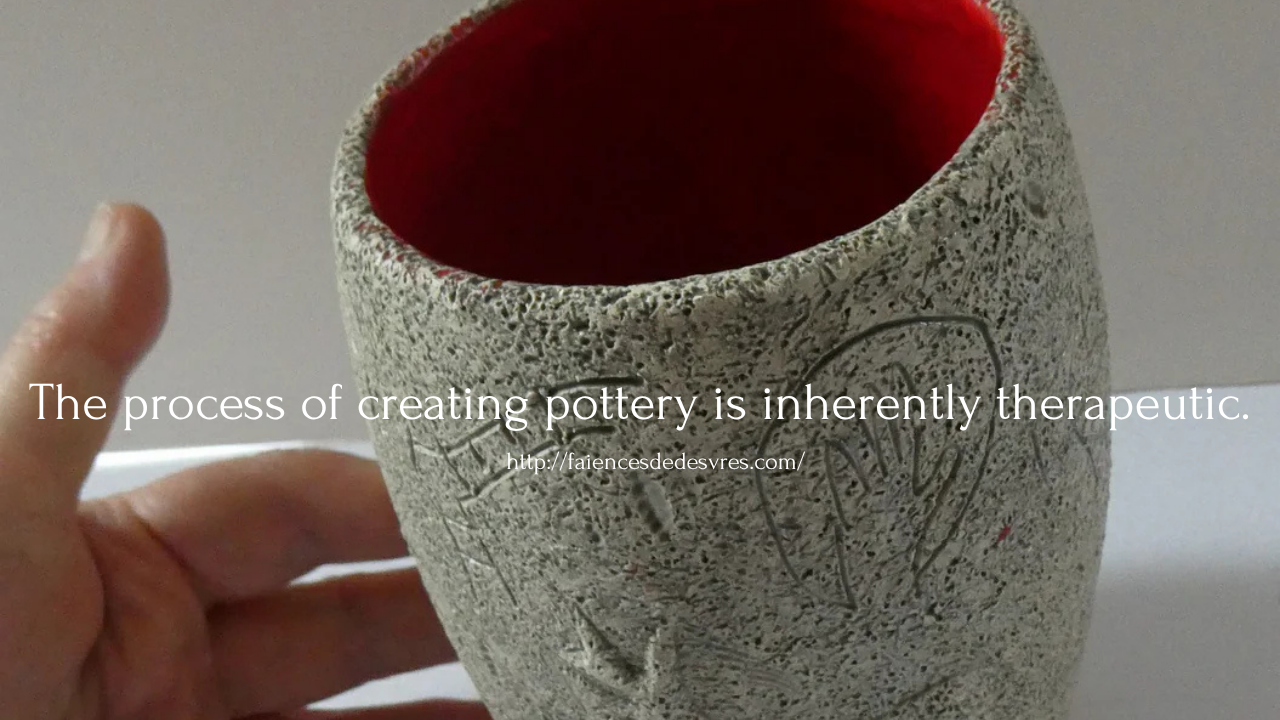
 Recovery from addiction is a multifaceted journey, often requiring more than just medical treatment or counseling. For many, healing involves rediscovering peace, purpose, and a connection to the present moment. One unexpected but increasingly recognized tool in this process is the art of ceramics. In particular, the time-honored tradition of French pottery offers a unique therapeutic experience that supports recovery in profound ways.
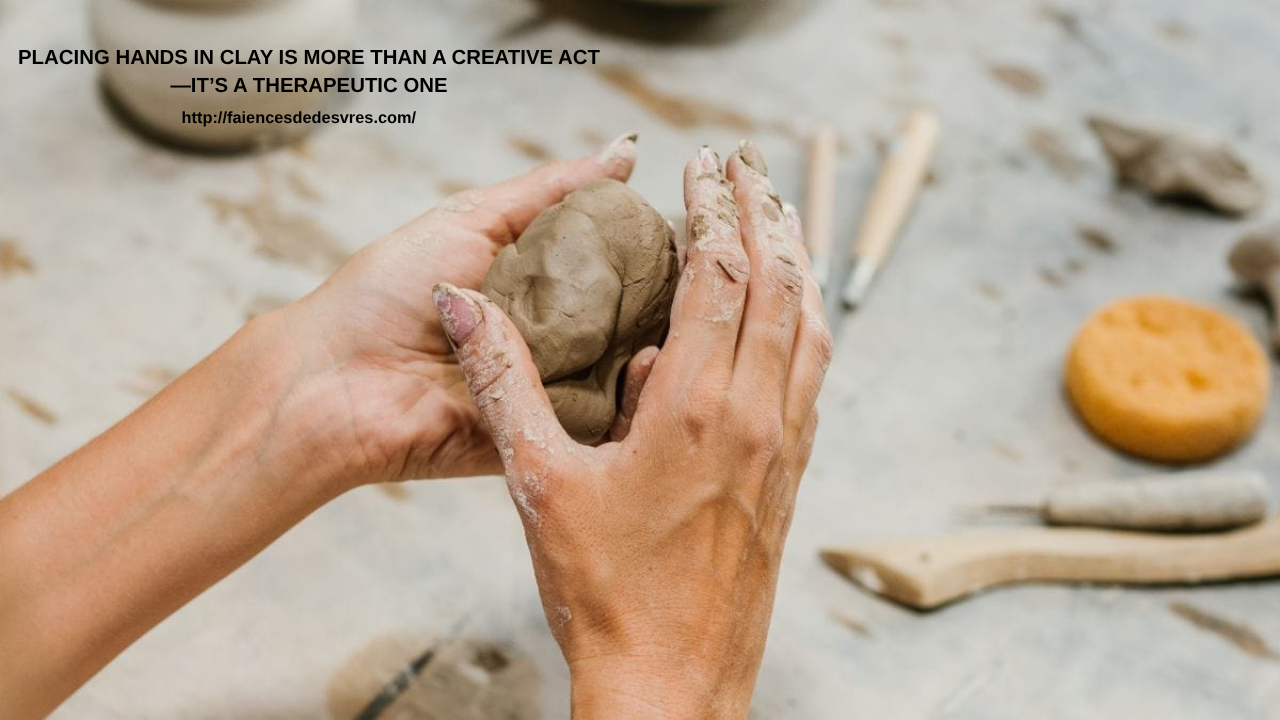
The act of creating pottery engages both body and mind. Shaping clay requires concentration, gentle movements, and patience—qualities that are often strained or diminished in individuals struggling with addiction. As hands work the clay, the mind is invited to slow down, focusing on texture, form, and breath. This mindful engagement helps reduce anxiety, quiet intrusive thoughts, and foster a state of calm. The result is not only a piece of art but also a moment of peace and emotional grounding.
France has a long and celebrated history of ceramics, from the rustic pottery of Provence to the refined porcelain of Limoges. These crafts are more than decorative traditions; they represent a connection to the earth, to history, and to human creativity. Today, pottery workshops across France are opening their doors to individuals in addiction recovery, offering hands-on sessions that serve as both art instruction and therapeutic practice.
The process of making ceramics mirrors the process of recovery itself. Clay is soft, pliable, and forgiving, much like the early stages of personal healing. Mistakes are part of the learning process, not failures. If a piece collapses or cracks, it can often be reworked or reimagined. This approach helps those in recovery build resilience and patience—qualities crucial for maintaining sobriety and navigating life’s challenges.
Working with clay also provides a sense of accomplishment and purpose. Addiction often leaves individuals feeling powerless and stuck in cycles of guilt or shame. Ceramics offer an opportunity to create something tangible and lasting, helping rebuild self-esteem and pride. Each completed bowl, plate, or sculpture becomes a symbol of effort, persistence, and progress.
Beyond the personal benefits, French ceramics workshops foster a sense of community. Pottery classes are often collaborative spaces where participants share ideas, support one another, and celebrate each other’s creations. For many in recovery, this connection is vital. Isolation is a common companion of addiction, and rebuilding healthy social bonds can be just as important as breaking the chemical dependency.
Incorporating art therapy into addiction treatment isn’t new, but French ceramics offer a particularly rich avenue for healing. The tactile, meditative nature of working with clay, combined with the cultural depth of French pottery traditions, creates a meaningful and transformative experience.
In the end, placing hands in clay is more than a creative act—it’s a therapeutic one. For those seeking peace and recovery, French ceramics offer not just pottery lessons, but life lessons: patience, resilience, creativity, and the courage to start anew.