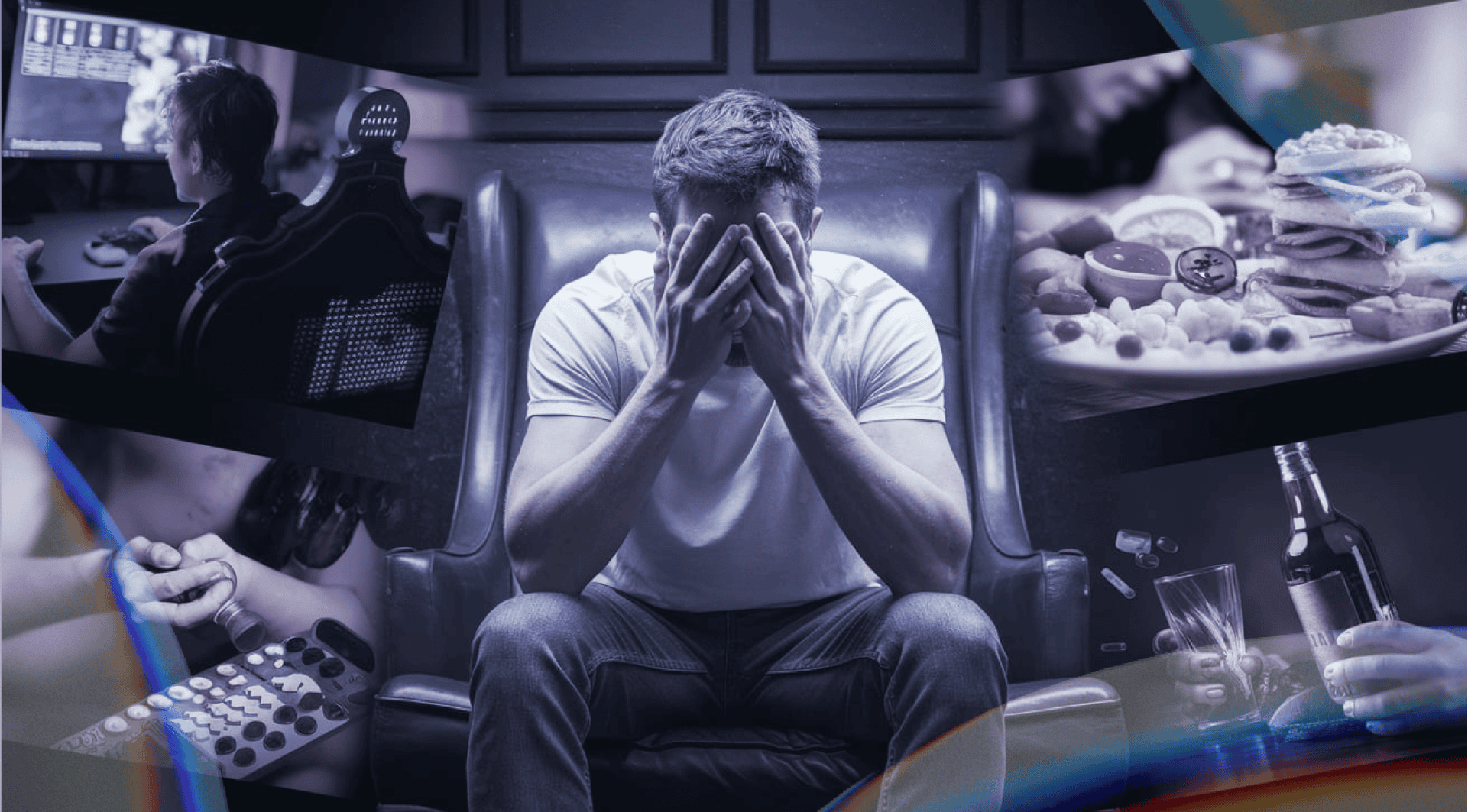
From Stress to Compulsion: Why Professionals Are Vulnerable to Gambling Addiction

For many professionals, stress is treated as part of the job. Long hours, high expectations, financial pressure, and constant decision making can become the daily norm. Over time, however, unmanaged stress can shift into something more dangerous. For some individuals, it evolves into compulsive behaviors such as gambling addiction. What begins as an occasional escape can gradually become a dependency that affects mental health, relationships, and professional performance. Understanding why professionals are vulnerable to this transition from stress to compulsion is an important step toward prevention and recovery.

Understanding Gambling Addiction in Professionals

Gambling addiction is a behavioral addiction characterized by an inability to control gambling behavior despite negative consequences. Among professionals, it often develops quietly and is hidden behind outward success and responsibility.

At Faience de Desvres, treatment is designed to support individuals through compassionate, structured care that addresses both addiction and underlying mental health challenges.

Unlike substance-related addictions, gambling does not leave physical signs. This makes it easier for professionals to continue functioning at a high level while the addiction progresses internally.

How Stress Becomes a Trigger

Stress is one of the most significant risk factors in the development of gambling addiction. Professionals often experience:

  • High performance pressure
  • Financial responsibility and decision fatigue
  • Long working hours with limited recovery time
  • Emotional exhaustion or burnout
  • Lack of healthy coping outlets

When stress is not managed effectively, individuals may begin seeking quick relief. Gambling can create a temporary sense of excitement or escape, which reinforces the behavior over time.

Why Professionals Are Especially Vulnerable

Not everyone experiencing stress develops an addiction. However, certain characteristics common among professionals can increase vulnerability.

High Responsibility and Control-Oriented Thinking

Many professionals are used to being in control and solving problems independently. This mindset can make it difficult to recognize when a coping strategy, such as gambling, is becoming harmful.

Access to Financial Resources

Greater financial access can allow gambling behavior to continue longer without immediate consequences. This may delay awareness of the severity of the problem.

Competitive Work Environments

High-achieving environments often reward risk-taking and performance under pressure. This can normalize high-risk behaviors, including gambling, as a form of stimulation or reward.

Emotional Isolation

Despite professional success, many individuals experience emotional isolation. Limited time for relationships and support can make gambling feel like a private escape from pressure.

The Shift From Stress Relief to Compulsion

The transition from casual gambling to compulsive behavior is often gradual. It may begin with occasional betting during periods of stress. Over time, the behavior becomes a repeated response to emotional discomfort.

Warning Signs of This Shift

Professionals may begin to notice:

  • Gambling more frequently to manage stress
  • Difficulty stopping even when intending to
  • Increasing secrecy around gambling activity
  • Emotional dependence on gambling for relief
  • Growing financial or personal consequences

At this stage, gambling is no longer recreational. It becomes a coping mechanism that reinforces emotional dependency.

The Mental Health Impact of Gambling Addiction

As gambling becomes compulsive, mental health is often significantly affected. Many professionals experience anxiety, depression, and emotional exhaustion alongside addiction.

Anxiety and Chronic Pressure

Financial concerns, secrecy, and performance expectations can create ongoing anxiety. This stress may impact sleep, focus, and workplace productivity.

Depression and Emotional Withdrawal

Feelings of guilt, shame, and loss of control can lead to emotional withdrawal. Individuals may isolate themselves from colleagues, friends, and family, worsening the cycle of addiction.

Pathways to Recovery and Support

Recovery from gambling addiction requires more than stopping the behavior. It involves addressing the emotional and psychological factors that contribute to it.

Inpatient Treatment Options

Inpatient programs provide structured care in a supportive environment. This allows individuals to step away from external stressors and focus fully on recovery through therapy, reflection, and stabilization.

Outpatient Treatment Options

Outpatient care offers flexibility for professionals who need to maintain work responsibilities. Regular therapy sessions and ongoing support help individuals apply recovery strategies in real-life situations.

Holistic and Individualized Care

Holistic treatment focuses on the whole person, not just the addiction. This may include mindfulness practices, emotional regulation techniques, lifestyle changes, and wellness support. Individualized care ensures that treatment is tailored to each person’s unique needs and circumstances.

Rebuilding Balance After Addiction

Recovery is not only about stopping gambling. It is about rebuilding a healthy relationship with stress, work, and emotional well-being. Long-term recovery often includes continued therapy, relapse prevention planning, and the development of healthier coping strategies.

Over time, individuals learn to manage stress without relying on compulsive behaviors, leading to improved mental clarity, stronger relationships, and greater life stability.

Taking the First Step Toward Recovery

The shift from stress to compulsion can happen quietly, but recovery is always possible. With the right support, professionals can break the cycle of gambling addiction and regain control over their lives.

At Faience de Desvres, compassionate and individualized treatment helps individuals address both addiction and underlying mental health challenges in a safe and structured environment.

If gambling is becoming a way to cope with stress or is affecting your mental health, relationships, or career, reaching out for help is a powerful first step. Recovery offers the opportunity to restore balance, rebuild confidence, and create a healthier future.

Behind Professional Success: Recognizing the Signs of Gambling Addiction in Executives

Executives are often seen as confident decision makers who operate under pressure, manage large responsibilities, and maintain a strong public image of success. However, behind that professional success, some may be struggling with a hidden issue that slowly impacts their mental health, relationships, and financial stability: gambling addiction. Because executives are expected to stay composed and in control, the signs of gambling addiction can remain unnoticed for a long time. Recognizing these warning signs early is essential for protecting both personal well-being and professional integrity.

Understanding Gambling Addiction in Executives

Gambling addiction among executives is a form of behavioral addiction where individuals develop a compulsive need to gamble despite negative consequences. It often begins as occasional betting or high-risk financial speculation and gradually evolves into a repetitive behavior that is difficult to control.

At Faience de Desvres, addiction treatment is approached with compassion and clinical expertise, focusing on both the behavior itself and the underlying mental health factors that contribute to it.

Why Executives Are Particularly Vulnerable

Several factors increase the risk of gambling addiction in high-level professionals:

  • High stress and constant decision making pressure
  • Easy access to financial resources and credit
  • Competitive work environments that normalize risk-taking
  • Long working hours and emotional burnout
  • Limited time for self-reflection or support systems

These conditions can create an environment where gambling becomes a way to escape stress or regain a sense of control.

Early Warning Signs of Gambling Addiction

Gambling addiction does not always present obvious symptoms, especially in individuals who are highly functional in their careers. However, there are behavioral and emotional indicators that should not be ignored.

Behavioral Changes to Watch For

Executives struggling with gambling addiction may begin to show subtle but noticeable changes in behavior, such as:

  • Increased secrecy around financial activities
  • Frequent unexplained absences or time away from work
  • Irritability when questioned about money or time
  • Decline in attention to detail or decision making
  • Unusual financial transactions or borrowing patterns

These changes often develop gradually, making them easy to overlook in a high-performing professional.

Emotional and Psychological Signs

Beyond behavior, emotional shifts can also indicate a deeper issue:

  • Heightened anxiety, especially around finances
  • Mood swings or emotional withdrawal
  • Persistent stress even outside of work
  • Feelings of guilt or shame that are not openly discussed
  • Difficulty relaxing without gambling or related activity

These emotional signs often point to a growing dependence on gambling as a coping mechanism.

The Impact on Mental Health and Leadership

Gambling addiction can significantly affect mental health and leadership effectiveness. Executives may find themselves struggling with concentration, decision fatigue, and emotional instability while attempting to maintain professional performance.

Anxiety and Chronic Stress

The pressure to maintain secrecy while managing losses can create constant internal stress. Over time, this can lead to burnout, sleep disturbances, and difficulty making clear decisions.

Depression and Isolation

Many executives facing gambling addiction begin to withdraw from colleagues, friends, and family. Feelings of shame or fear of exposure often contribute to emotional isolation, which can worsen depression and reduce the likelihood of seeking help.

Why Early Intervention Matters

The earlier gambling addiction is identified, the more effective treatment can be. Early intervention helps prevent financial damage, protects relationships, and supports long-term mental health recovery.

Ignoring the warning signs often leads to more severe consequences, including increased debt, workplace issues, and emotional breakdown. Recognizing the problem is not a sign of weakness. It is a critical step toward recovery and stability.

Treatment Options for Executives Facing Gambling Addiction

Recovery from gambling addiction requires a structured and individualized approach that addresses both behavior and mental health.

Inpatient Treatment Support

Inpatient programs provide a focused and supportive environment where individuals can step away from daily pressures and fully engage in recovery. This level of care includes therapy, structured routines, and emotional stabilization.

Outpatient Treatment Programs

Outpatient care allows executives to maintain professional responsibilities while receiving ongoing therapy and support. This flexible option helps individuals integrate recovery strategies into real-world situations.

Holistic and Faith-Based Care

Holistic treatment focuses on healing the whole person, not just the addiction. This may include mindfulness practices, stress management techniques, lifestyle changes, and emotional wellness support. Faith-based care is also available for those who draw strength from spiritual guidance, offering additional meaning and resilience during recovery.

Rebuilding Balance After Gambling Addiction

Recovery is not just about stopping gambling behavior. It is about rebuilding trust, restoring emotional stability, and developing healthier ways to manage stress and pressure.

Long-term recovery often includes ongoing counseling, peer support, relapse prevention strategies, and lifestyle adjustments that promote balance and well-being.

Executives who engage in treatment often discover improved clarity, stronger relationships, and a renewed sense of purpose in both personal and professional life.

Taking the First Step Toward Recovery

Behind professional success, gambling addiction can remain hidden for a long time. However, recovery is possible with the right support and treatment approach.

At Faience de Desvres, compassionate and individualized care helps executives address both addiction and underlying mental health challenges in a safe and supportive environment.

If gambling is affecting your focus, relationships, or emotional well-being, seeking help is a powerful and courageous first step. With professional treatment and ongoing support, it is possible to regain control, restore balance, and move forward with confidence.

When High Achievement Turns Risky: Understanding White-Collar Gambling Addiction

Success is often associated with discipline, ambition, and control. However, for many professionals, the pressure that comes with achievement can quietly contribute to unhealthy coping mechanisms, including gambling addiction. White-collar gambling addiction is a growing concern among executives, entrepreneurs, financial professionals, and other high-performing individuals who may appear successful on the outside while privately struggling with compulsive gambling behaviors. Understanding how this addiction develops and affects mental health is essential for recognizing the need for support and beginning the recovery process.

What Is White-Collar Gambling Addiction?

White-collar gambling addiction refers to compulsive gambling behaviors among professionals who maintain careers, financial responsibilities, and social status while secretly battling addiction. Unlike other addictions that may present visible warning signs, gambling addiction often remains hidden for long periods.

For many individuals, gambling starts as entertainment, networking, or stress relief. Over time, however, it can become a compulsive behavior driven by emotional pressure, anxiety, or the desire to escape.

Why High-Achieving Professionals Are Vulnerable

Several factors increase the risk of gambling addiction among professionals:

  • High-pressure careers and demanding workloads
  • Competitive personalities and risk-taking behavior
  • Access to financial resources or credit
  • Chronic stress and emotional burnout
  • Long hours and limited personal balance

Many professionals are conditioned to solve problems independently, which can make it difficult to ask for help when gambling behaviors spiral out of control.

The Hidden Mental Health Impact

White-collar gambling addiction affects far more than finances. It can create significant emotional and psychological distress that impacts every aspect of life.

Anxiety and Chronic Stress

Professionals struggling with gambling addiction often experience constant stress related to financial losses, secrecy, or fear of being exposed. This pressure can affect concentration, sleep, emotional stability, and work performance.

Common symptoms include:

  • Persistent worry or nervousness
  • Difficulty focusing at work
  • Irritability and mood swings
  • Sleep disturbances and exhaustion
  • Increased emotional reactivity

Without intervention, the cycle of stress and gambling can become increasingly destructive.

Depression and Emotional Isolation

Many individuals with gambling addiction feel ashamed or embarrassed by their behavior. As losses increase and relationships become strained, emotional isolation often follows.

Depression may develop when individuals feel trapped by debt, secrecy, or the fear of damaging their reputation. Even highly successful professionals can experience hopelessness while trying to maintain appearances.

Recognizing the Warning Signs

White-collar gambling addiction can remain hidden because many professionals continue functioning at a high level despite emotional distress. Recognizing the warning signs early can help prevent more serious consequences.

Common Signs of Gambling Addiction

  • Gambling to manage stress or emotional discomfort
  • Hiding financial activities or gambling habits
  • Spending more time or money gambling than intended
  • Difficulty stopping despite negative consequences
  • Declining productivity or focus
  • Withdrawal from family or social connections

Acknowledging these behaviors is not a weakness. It is the beginning of recovery and long-term healing.

Why Personalized Treatment Matters

Recovery from gambling addiction requires more than simply stopping the behavior. Effective treatment addresses the emotional, psychological, physical, and spiritual aspects of healing.

At Faience de Desvres, treatment programs are designed to provide compassionate, individualized support that helps professionals regain control while addressing underlying mental health concerns.

Inpatient and Outpatient Recovery Options

Every individual experiences addiction differently, which is why personalized treatment planning is essential.

Inpatient Treatment Programs

Inpatient treatment provides a structured and supportive environment where individuals can focus entirely on recovery without the distractions of daily life. This level of care often includes therapy, wellness support, and relapse prevention planning.

For professionals facing severe emotional distress or long-term gambling addiction, inpatient care can provide the stability needed to begin healing.

Outpatient Treatment Programs

Outpatient programs allow individuals to continue managing work and family responsibilities while receiving ongoing support. Therapy sessions, counseling, and recovery planning help professionals apply healthy coping strategies in everyday situations.

This flexible approach can be especially beneficial for individuals transitioning from inpatient care or seeking continued support during recovery.

Holistic and Faith-Based Approaches to Recovery

Holistic treatment focuses on healing the whole person rather than only addressing gambling behaviors. Emotional balance, stress management, physical wellness, and spiritual support all contribute to long-term recovery success.

Holistic Healing Practices

Holistic care may include:

  • Mindfulness and meditation
  • Stress reduction techniques
  • Nutritional guidance and wellness support
  • Individual and group counseling
  • Healthy routine development

These approaches help individuals build healthier coping skills while improving emotional resilience.

Faith-Based Support and Spiritual Healing

For many individuals, faith and spirituality provide strength, hope, and purpose during recovery. Faith-based support can help reconnect individuals with their values while encouraging emotional healing and personal growth.

Rebuilding Balance After Gambling Addiction

Recovery is not about perfection. It is about creating healthier habits, improving emotional well-being, and learning how to manage stress without turning to gambling.

Professionals in recovery often benefit from continued therapy, peer support, wellness practices, and relapse prevention planning. Over time, recovery can restore confidence, rebuild relationships, and improve overall quality of life.

Taking the First Step Toward Recovery

When high achievement turns risky, seeking support can feel difficult. However, gambling addiction does not have to define a person’s future. With compassionate care and professional guidance, lasting recovery is possible.

At Faience de Desvres, personalized addiction recovery and mental health treatment programs help individuals address the root causes of gambling addiction while building a healthier, more balanced future.

If gambling is affecting your mental health, relationships, or professional life, reaching out for help today can be the first step toward healing, stability, and renewed purpose.

The Hidden Cost of Success: How White-Collar Gambling Addiction Impacts Mental Health

Success often comes with pressure, responsibility, and high expectations. For many professionals, those demands can quietly contribute to unhealthy coping behaviors, including gambling addiction. White-collar gambling addiction is a growing but often hidden issue affecting executives, entrepreneurs, financial professionals, and other high-achieving individuals. While the outward appearance may reflect stability and accomplishment, the emotional and psychological impact behind the scenes can be overwhelming. Understanding how gambling addiction affects mental health is an important step toward healing, balance, and long-term recovery.

Understanding White-Collar Gambling Addiction

White-collar gambling addiction refers to compulsive gambling behaviors among professionals who maintain careers, financial responsibilities, and social status while privately struggling with addiction. Because these individuals are often highly functional in public settings, the warning signs may go unnoticed for years.

Many professionals initially turn to gambling as a form of entertainment, stress relief, or escape from work-related pressure. Over time, however, occasional gambling can develop into a compulsive behavior that affects emotional well-being, relationships, and financial stability.

Why Professionals Are at Higher Risk

Several factors contribute to the rise of gambling addiction among high-achieving individuals:

  • High-stress careers and performance pressure
  • Easy access to money or credit
  • Competitive personalities and risk-taking tendencies
  • Long work hours and emotional burnout
  • Isolation despite professional success

These pressures can create a cycle where gambling becomes a temporary emotional release that eventually leads to deeper mental health struggles.

The Mental Health Impact of Gambling Addiction

Gambling addiction is not simply a financial issue. It has a significant impact on emotional and psychological health. Many professionals silently experience anxiety, depression, shame, and emotional exhaustion while trying to maintain the appearance of success.

Anxiety and Chronic Stress

The stress associated with gambling addiction can become constant. Professionals may worry about financial losses, hidden debt, damaged reputations, or maintaining control over their personal and professional lives.

This chronic stress often leads to:

  • Difficulty sleeping
  • Irritability and mood swings
  • Trouble concentrating at work
  • Physical tension and fatigue
  • Increased emotional reactivity

Without support, the cycle of stress and gambling can intensify over time.

Depression and Emotional Isolation

Many individuals struggling with gambling addiction feel trapped by shame and secrecy. They may isolate themselves from family, friends, or coworkers to avoid difficult conversations or judgment.

Depression can develop when individuals feel overwhelmed by financial consequences, strained relationships, or a loss of personal identity. Even successful professionals may experience hopelessness while silently battling addiction.

Recognizing the Warning Signs

White-collar gambling addiction often remains hidden because professionals continue meeting responsibilities while struggling privately. Recognizing the warning signs early can help prevent more serious consequences.

Common Signs of Gambling Addiction in Professionals

  • Gambling to cope with stress or emotional discomfort
  • Hiding financial activities or gambling behavior
  • Spending increasing amounts of money or time gambling
  • Difficulty stopping despite negative consequences
  • Declining work performance or focus
  • Emotional withdrawal from loved ones

Acknowledging these signs is not a sign of weakness. It is a critical step toward recovery and improved mental health.

The Importance of Comprehensive Treatment

Lasting recovery requires more than simply stopping gambling. Effective treatment addresses the emotional, mental, physical, and spiritual aspects of addiction.

At Faience de Desvres, treatment programs are designed to provide compassionate, individualized care that supports both addiction recovery and mental wellness.

Inpatient and Outpatient Treatment Options

Different individuals require different levels of support depending on the severity of the addiction and personal responsibilities.

Inpatient Treatment

Inpatient care offers a structured environment where individuals can step away from daily stressors and focus fully on recovery. This setting provides intensive therapeutic support, emotional stabilization, and holistic healing practices.

Outpatient Treatment

Outpatient programs allow professionals to continue managing work and family obligations while receiving ongoing therapy and support. This option offers flexibility while helping individuals build healthy coping strategies in real-world situations.

Holistic and Faith-Based Approaches to Healing

Holistic treatment focuses on healing the whole person, not just the addictive behavior. Emotional health, physical wellness, stress management, and spiritual support all play an important role in sustainable recovery.

Holistic Recovery Practices

Holistic care may include:

  • Mindfulness and meditation
  • Stress reduction techniques
  • Nutritional and wellness support
  • Individual therapy and group counseling
  • Healthy lifestyle development

These practices help individuals regain emotional balance and strengthen resilience during recovery.

Faith-Based Support

For many people, spiritual guidance provides comfort, accountability, and renewed purpose. Faith-based support can help individuals reconnect with personal values and find hope during the healing process.

Rebuilding Life After Gambling Addiction

Recovery is not about perfection. It is about learning healthier ways to manage stress, rebuild trust, and create a balanced life that supports long-term wellness.

Professionals recovering from gambling addiction often benefit from continued counseling, peer support, and relapse prevention strategies that strengthen emotional stability and confidence.

Healing takes time, but recovery can lead to healthier relationships, improved mental health, and a stronger sense of purpose both personally and professionally.

Taking the First Step Toward Recovery

The hidden cost of success should never come at the expense of mental health and well-being. White-collar gambling addiction can affect even the most accomplished individuals, but help is available, and recovery is possible.

At Faience de Desvres, compassionate and personalized treatment helps individuals address the root causes of addiction while building a healthier future. Whether through inpatient care, outpatient support, holistic healing, or faith-based guidance, recovery begins with reaching out for help.

If gambling is affecting your mental health, relationships, or professional life, taking the first step today can lead to lasting healing, renewed balance, and a future built on stability rather than secrecy.