 Addiction recovery and mental health treatment are not only about breaking harmful cycles. They are about rediscovering balance, peace, and purpose in life. In recent years, creative therapies have been recognized as powerful companions to traditional treatment. Among them, French ceramic arts stand out as a unique tool for healing. Working with clay encourages mindfulness, self-expression, and emotional resilience, offering individuals in recovery a tangible way to reconnect with themselves and their journey toward wellness.
Why Mindfulness Matters in Recovery
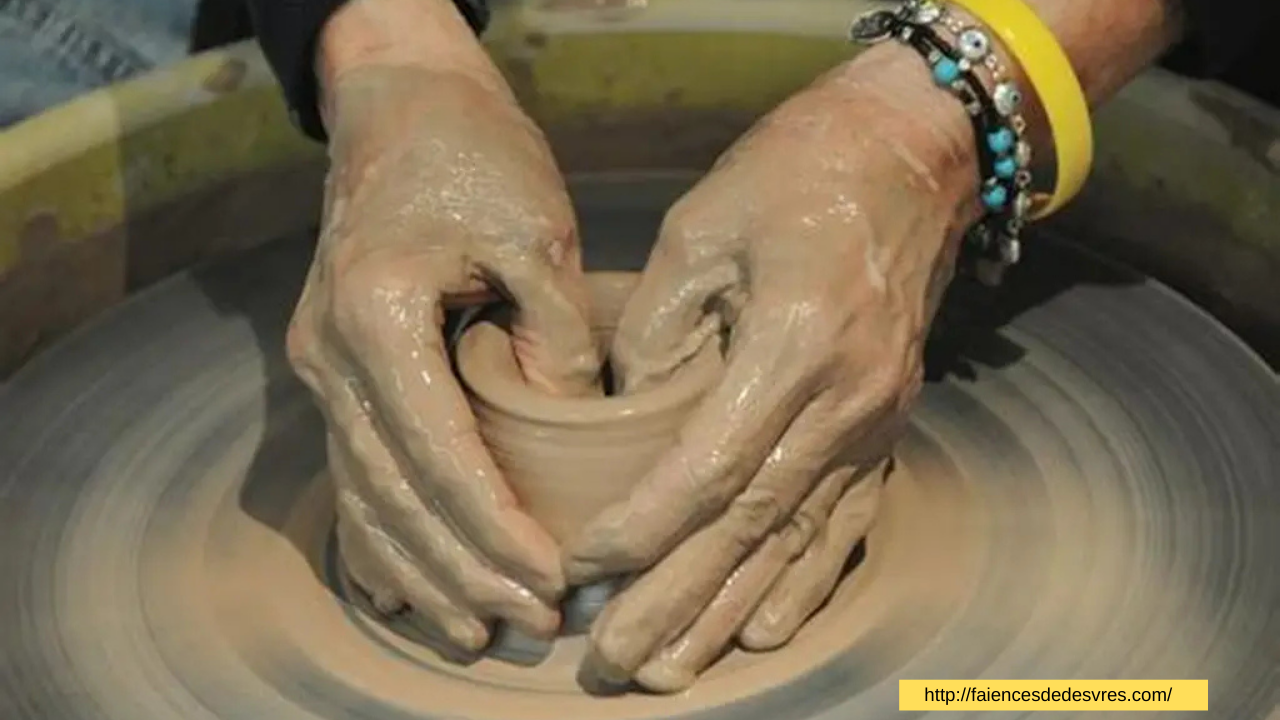
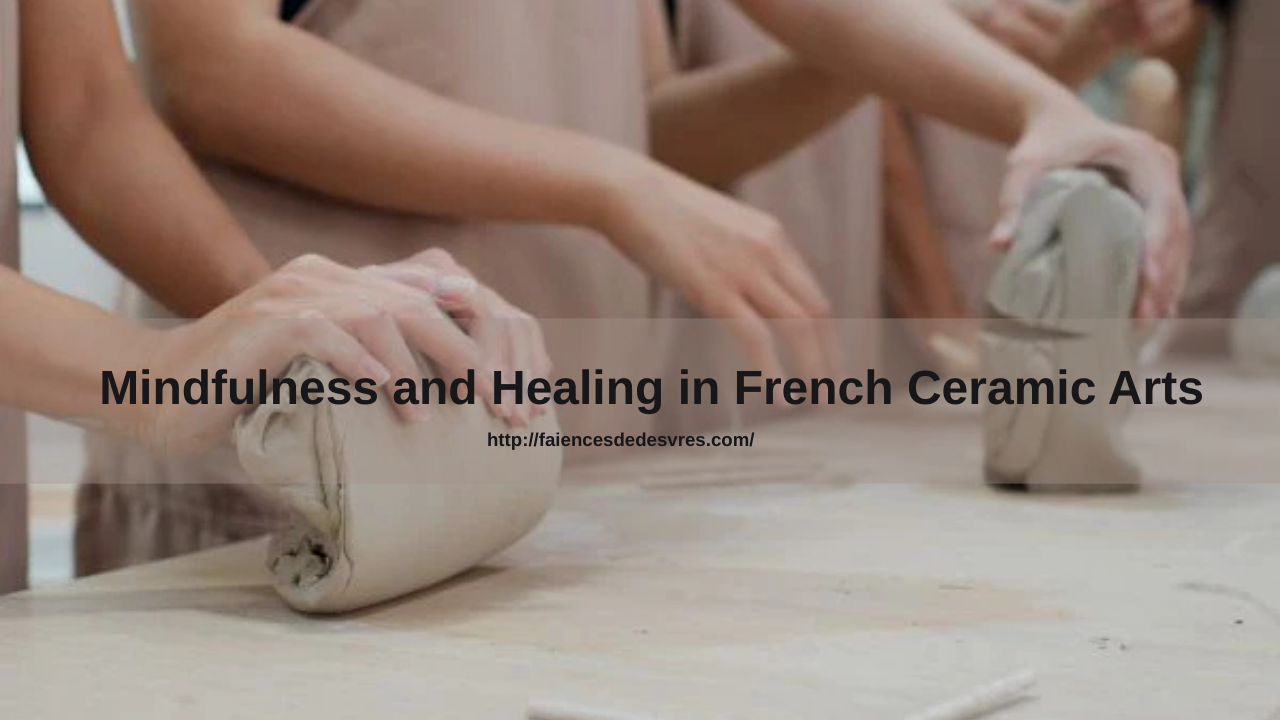
Addiction often disconnects individuals from the present moment. Stress, cravings, and intrusive thoughts can pull attention away from healing. Mindfulness practices, such as meditation or creative expression, help bring awareness back to the here and now. Pottery, with its rhythmic movements and grounding textures, is naturally mindful. Each step—kneading, shaping, glazing—requires focus and patience. This not only reduces anxiety but also fosters a sense of calm and control, essential qualities in maintaining sobriety.
The Therapeutic Power of Clay
Symbolism in Transformation
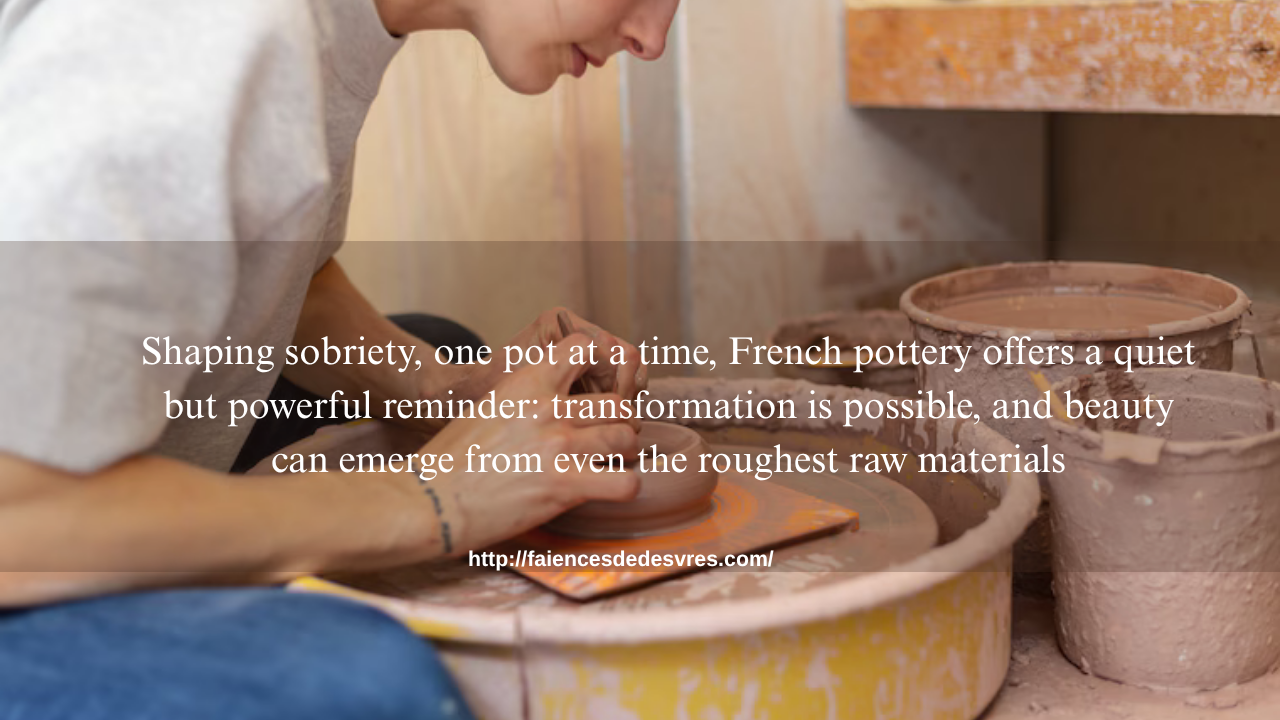
Clay begins as something soft and fragile. Through care, patience, and fire, it transforms into a strong and lasting creation. This mirrors the recovery journey. Individuals who may feel broken or uncertain at first can, with the right guidance, emerge resilient and renewed.
Expression Beyond Words
Many people in recovery struggle to express difficult emotions verbally. Pottery provides a non-verbal outlet. The forms, textures, and patterns that emerge in clay often reflect inner experiences, creating a safe way to process feelings that might otherwise remain hidden.
Building Resilience
Pottery teaches the importance of patience and acceptance. A piece may crack or collapse, but it can be reshaped or rebuilt. This lesson carries over into recovery, reminding individuals that setbacks are not failures but opportunities to grow stronger.
French Ceramic Arts: Tradition Meets Healing
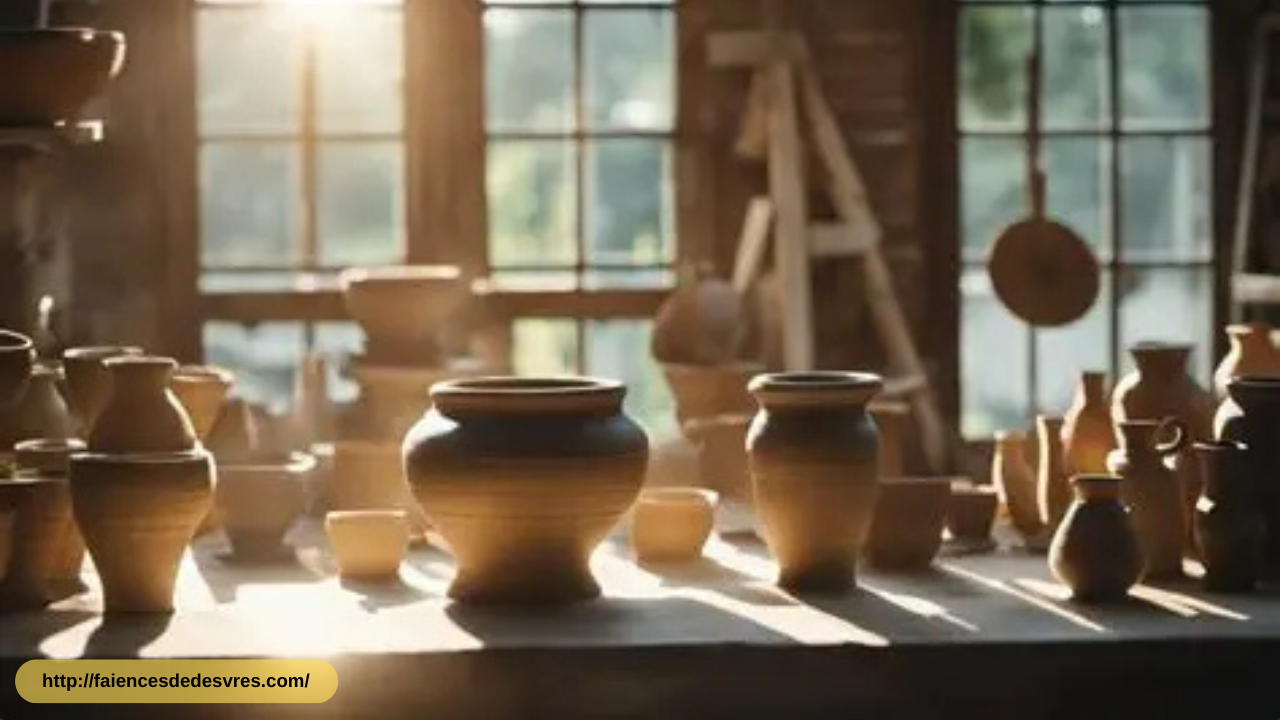
France has a long and celebrated history of ceramic craftsmanship, from the famous faïence of Desvres to the timeless porcelain of Limoges. Incorporating these traditions into therapy connects individuals not only to creativity but also to culture and community. Workshops rooted in these practices provide both structure and inspiration. They create a nurturing environment where individuals can learn, share, and heal together.
Integrating Pottery Into Holistic Treatment
At [Faïences de Desvres], recovery is approached with compassion and personalization. Addiction treatment and mental health support are offered through inpatient and outpatient programs that adapt to each person’s unique needs. Integrating pottery workshops into this care provides holistic healing for the mind, body, and spirit.
Inpatient Care
Inpatient treatment offers a structured environment where individuals can focus entirely on recovery. Creative therapies like pottery provide daily moments of calm and reflection, complementing medical and therapeutic care.
Outpatient Support
For those balancing recovery with everyday responsibilities, outpatient care provides flexibility. Pottery sessions can be a grounding practice between counseling appointments and daily life, reinforcing healthy coping strategies.
Faith-Based and Individualized Approaches
Spiritual and personal values are honored throughout the healing process. Pottery becomes another avenue for self-discovery, helping individuals align their recovery with their beliefs and goals.
Finding Strength in the Clay Connection
Addiction recovery is a journey of transformation. Just as clay is shaped, strengthened, and given new purpose, so too can individuals reshape their lives with patience and care. The mindfulness and creativity found in French ceramic arts make pottery more than a craft. It becomes a tool for healing, reflection, and resilience.
If you or a loved one is seeking a holistic and compassionate approach to recovery, now is the time to take the next step. With the right guidance and support, healing is possible—and like a piece of clay transformed in the kiln, life can emerge stronger, more purposeful, and beautifully renewed.