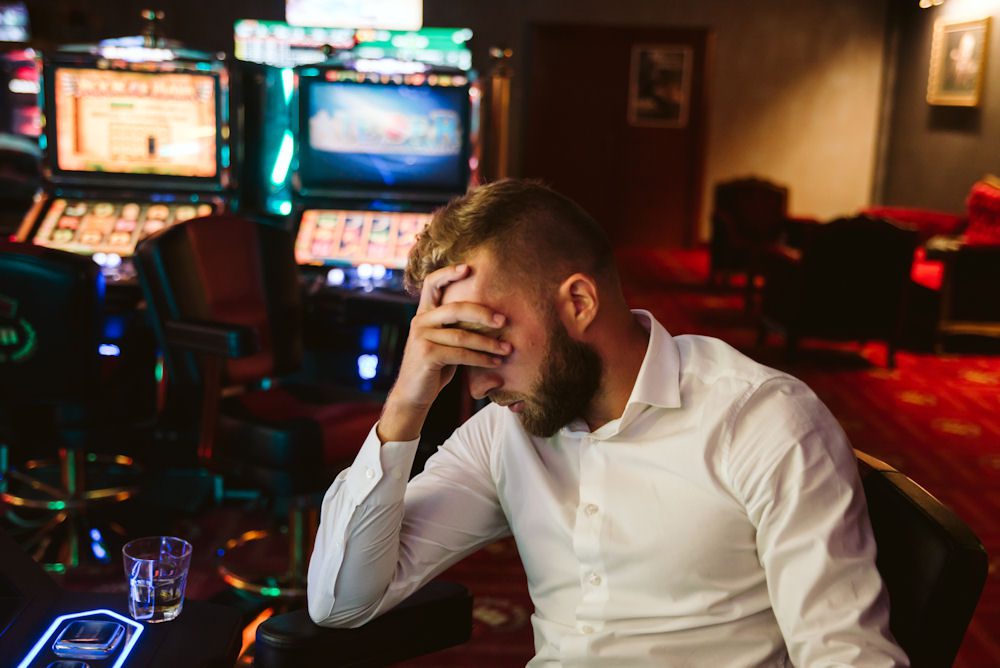
 Gambling addiction can affect anyone, regardless of career achievements or financial status. Among professionals, executives, and high-performing individuals, gambling addiction often remains hidden, quietly disrupting lives behind a veneer of success. What begins as occasional betting or recreational gambling can escalate into a compulsive behavior that affects mental health, relationships, and career performance. Understanding the unique challenges of white-collar gambling addiction and exploring professional treatment options is essential for recovery and rebuilding a balanced life.
What Is White-Collar Gambling Addiction
White-collar gambling addiction involves compulsive gambling behaviors among professionals who often maintain a successful outward appearance. Unlike substance addictions, gambling can remain discreet, allowing individuals to continue their professional and social lives while struggling privately.
Factors That Contribute to Addiction Among Professionals
Certain workplace and personal factors make high-achieving individuals more susceptible to gambling addiction:
-
High-pressure work environments: Professionals often face constant deadlines, targets, and expectations, creating stress that can lead to gambling as a coping mechanism.
-
Access to financial resources: Professionals often have ready access to credit and funds, which can facilitate risky gambling behavior.
-
Perfectionism and risk-taking: A desire for control and high achievement can translate into compulsive gambling.
-
Isolation and long hours: Busy schedules, frequent travel, and limited social support can leave individuals seeking emotional relief through gambling.
These factors contribute to a hidden cycle of addiction that can intensify over time, making professional support crucial.
The Impact on Mental Health
Gambling addiction rarely occurs in isolation. It often coincides with anxiety, depression, and emotional strain, which can exacerbate the addiction and impair daily functioning.
Anxiety and Stress
Professionals struggling with gambling often experience heightened anxiety related to finances, secrecy, and fear of exposure. Chronic stress can reinforce gambling behaviors, creating a persistent and challenging cycle.
Depression and Emotional Strain
Feelings of guilt, shame, and hopelessness frequently accompany gambling addiction. Many professionals withdraw from family, friends, and colleagues, increasing emotional isolation and making it harder to seek help without intervention.
Recognizing the Warning Signs
Early recognition is critical for effective intervention. Professionals should be alert to these warning signs:
-
Gambling to escape stress, anxiety, or emotional discomfort
-
Secretive financial behavior or hidden online accounts
-
Chasing losses despite negative consequences
-
Reduced focus or productivity at work
-
Strained personal and professional relationships
Acknowledging these patterns is a courageous step toward recovery and accessing the right support.
Treatment Options for Professionals
Recovery from gambling addiction is most effective when it is comprehensive, individualized, and addresses both mental health and behavioral aspects. Faience de Desvres provides treatment programs that integrate professional care, mental health support, and holistic approaches tailored to each individual’s needs.
Inpatient Treatment
Inpatient programs provide structured, immersive care for those with severe gambling behaviors or co-occurring mental health conditions. Daily therapy, group counseling, and wellness activities create a supportive environment where participants can focus entirely on recovery.
Outpatient Treatment
Outpatient programs offer flexibility for professionals who need to maintain work or family obligations while receiving ongoing support. Therapy sessions, counseling, and peer support help individuals practice recovery skills in real-world situations.
Holistic and Faith-Based Approaches
Holistic care addresses the emotional, mental, and spiritual dimensions of recovery. Stress management, mindfulness practices, lifestyle counseling, and physical wellness programs complement therapy for sustainable change. Faith-based guidance provides additional support for individuals who draw strength from spiritual beliefs.
Moving Toward Sustainable Recovery
Recovery is more than stopping gambling behaviors. It involves learning healthier coping strategies, rebuilding relationships, and restoring self-confidence in personal and professional life. Long-term success requires ongoing therapy, peer support, and relapse prevention planning.
Taking the First Step
Gambling addiction among professionals is often hidden, but it is treatable. Seeking professional help is a courageous decision that can transform stress, secrecy, and compulsive behaviors into hope, stability, and balance. Faience de Desvres provides compassionate, client-centered care designed to help professionals reclaim control over their lives.
If gambling is affecting your mental health, relationships, or career, take action today. Support is available, and recovery can help you move from struggle to sustained success, purpose, and well-being.