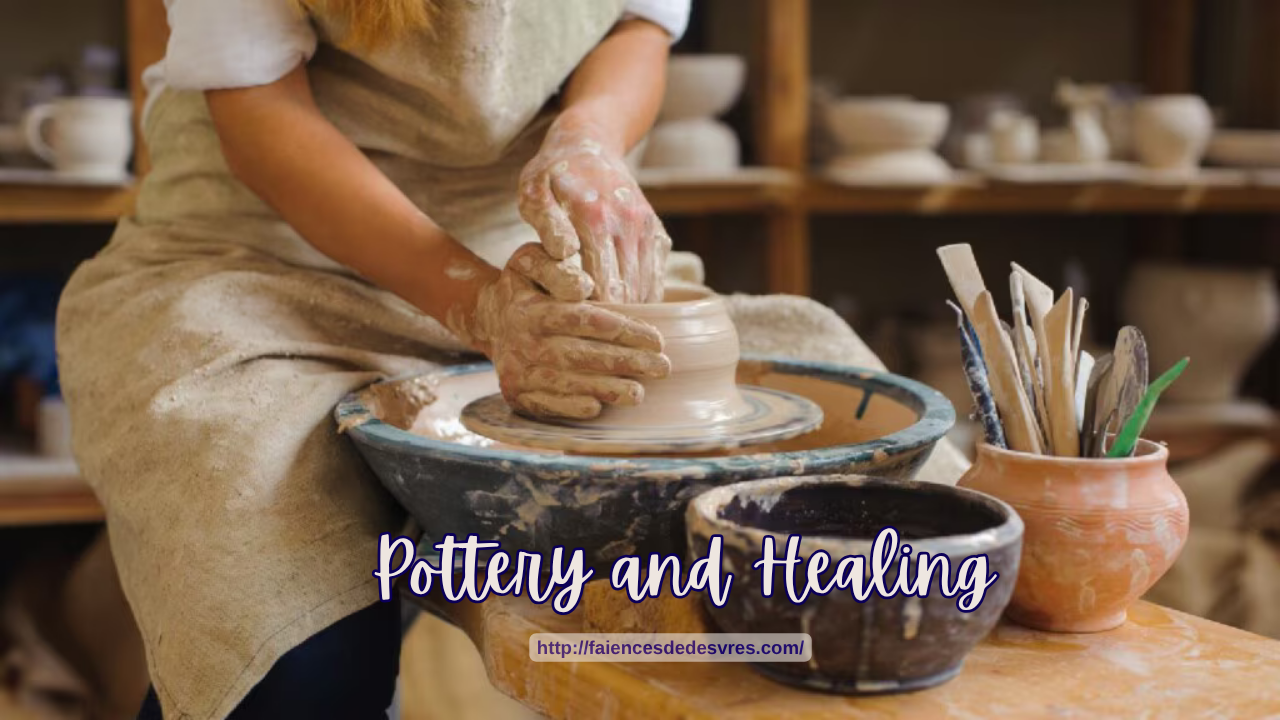
 Addiction recovery is not only about breaking free from substances. It is about rebuilding purpose, rediscovering identity, and finding peace in daily life. While evidence-based treatment like counseling and medical support are essential, creative therapies such as pottery are proving to be powerful companions in the healing journey. Rooted in French craftsmanship and tradition, working with clay has become a unique way to support individuals in recovery by fostering mindfulness, resilience, and self-expression.
The Connection Between Art and Recovery
Healing from addiction often requires addressing both the mind and body. Pottery creates a space where individuals can engage their senses, focus on the present moment, and release inner tension. The repetitive motions of molding clay, shaping on the wheel, and painting each piece encourage mindfulness, which reduces stress and helps regulate emotions. For those navigating withdrawal or the emotional challenges of sobriety, this calm and grounding process offers a much-needed sense of balance.
Why French Pottery Matters
French pottery is known for its beauty and heritage. From the faience of Desvres to the handcrafted ceramics of Provence, the tradition carries stories of resilience and artistry passed down through generations. In recovery programs, this connection to history and culture adds meaning to the work. Participants are not just creating clay pieces. They are connecting to a legacy of craftsmanship, patience, and transformation that mirrors their own recovery journey.
Building Confidence Through Creation
Many people in addiction recovery struggle with feelings of shame or low self-worth. Pottery offers a tangible way to rebuild confidence. Shaping a lump of clay into something useful or beautiful reinforces the idea that change is possible. Mistakes in the studio are not failures but opportunities to reshape and begin again. This mirrors the reality of recovery, where setbacks are part of the process and resilience grows with persistence.
Pottery as a Form of Expression
Not everyone in recovery finds it easy to express emotions through words. Pottery provides an alternative form of communication. The textures, shapes, and colors chosen in clay work often reflect emotions that are hard to articulate. In this way, French pottery workshops become more than artistic sessions. They evolve into safe spaces where emotions can surface and be transformed into something constructive.
Holistic Healing in Practice
At [faiencesdedesvres.com], recovery is viewed through a holistic lens. That means addressing the physical, emotional, and spiritual needs of each person. Pottery workshops fit naturally into this approach. Alongside counseling, group support, and faith-based care, creative therapies encourage full-person healing. Whether through inpatient or outpatient programs, these activities help clients develop new coping strategies, foster community, and discover new passions that support long-term sobriety.
A Community of Support and Growth
Addiction recovery is rarely a solitary process. Pottery classes bring people together, offering a chance to share experiences while working side by side. The act of creating together nurtures community, reduces isolation, and builds connections that are vital for lasting recovery. In many cases, the friendships and support networks formed in these workshops continue long after formal treatment has ended.
Shaping a Stronger Future
French pottery is more than art. In the context of addiction recovery, it becomes a tool for mindfulness, growth, and hope. Through the patient work of shaping clay, individuals rediscover their own ability to heal and transform. If you or someone you love is seeking recovery, [faiencesdedesvres.com] offers programs that combine compassionate care with holistic, individualized approaches. Just as clay can be molded into something strong and beautiful, so too can lives be reshaped through the right support and guidance.
