Pottery and Healing: How French Craftsmanship Supports Addiction Recovery

Addiction recovery is not only about breaking free from substances. It is about rebuilding purpose, rediscovering identity, and finding peace in daily life. While evidence-based treatment like counseling and medical support are essential, creative therapies such as pottery are proving to be powerful companions in the healing journey. Rooted in French craftsmanship and tradition, working with clay has become a unique way to support individuals in recovery by fostering mindfulness, resilience, and self-expression.

The Connection Between Art and Recovery

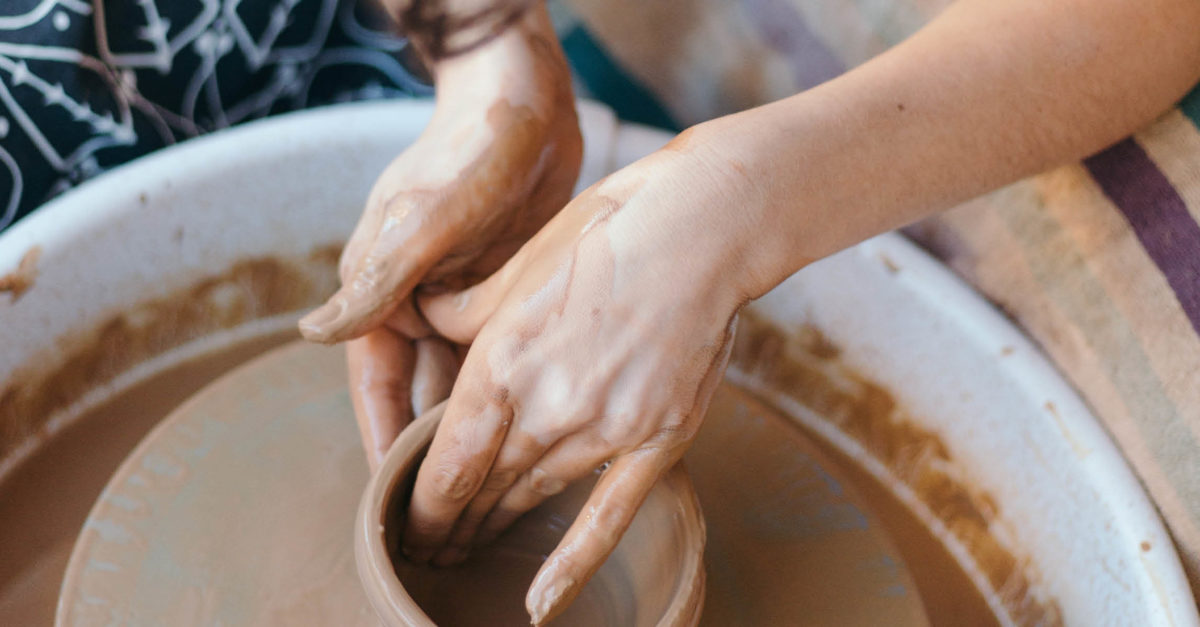
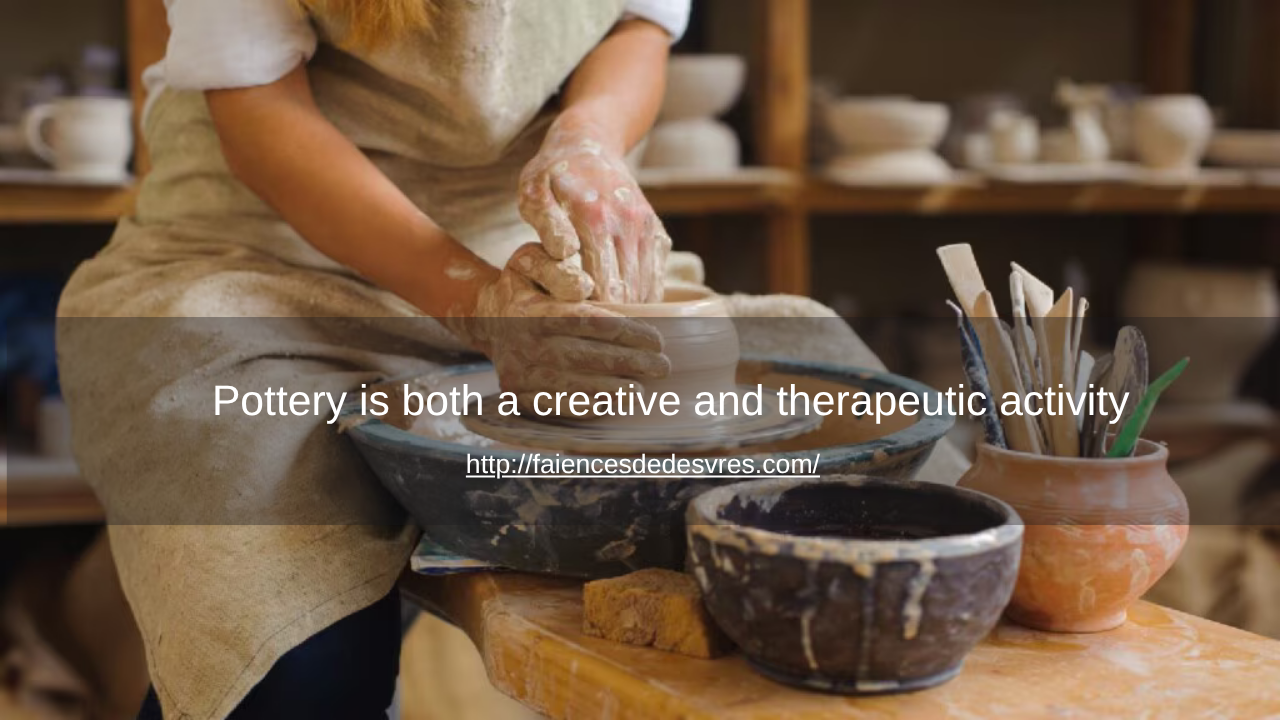
Healing from addiction often requires addressing both the mind and body. Pottery creates a space where individuals can engage their senses, focus on the present moment, and release inner tension. The repetitive motions of molding clay, shaping on the wheel, and painting each piece encourage mindfulness, which reduces stress and helps regulate emotions. For those navigating withdrawal or the emotional challenges of sobriety, this calm and grounding process offers a much-needed sense of balance.

Why French Pottery Matters

French pottery is known for its beauty and heritage. From the faience of Desvres to the handcrafted ceramics of Provence, the tradition carries stories of resilience and artistry passed down through generations. In recovery programs, this connection to history and culture adds meaning to the work. Participants are not just creating clay pieces. They are connecting to a legacy of craftsmanship, patience, and transformation that mirrors their own recovery journey.

Building Confidence Through Creation

Many people in addiction recovery struggle with feelings of shame or low self-worth. Pottery offers a tangible way to rebuild confidence. Shaping a lump of clay into something useful or beautiful reinforces the idea that change is possible. Mistakes in the studio are not failures but opportunities to reshape and begin again. This mirrors the reality of recovery, where setbacks are part of the process and resilience grows with persistence.

Pottery as a Form of Expression

Not everyone in recovery finds it easy to express emotions through words. Pottery provides an alternative form of communication. The textures, shapes, and colors chosen in clay work often reflect emotions that are hard to articulate. In this way, French pottery workshops become more than artistic sessions. They evolve into safe spaces where emotions can surface and be transformed into something constructive.

Holistic Healing in Practice

At [faiencesdedesvres.com], recovery is viewed through a holistic lens. That means addressing the physical, emotional, and spiritual needs of each person. Pottery workshops fit naturally into this approach. Alongside counseling, group support, and faith-based care, creative therapies encourage full-person healing. Whether through inpatient or outpatient programs, these activities help clients develop new coping strategies, foster community, and discover new passions that support long-term sobriety.

A Community of Support and Growth

Addiction recovery is rarely a solitary process. Pottery classes bring people together, offering a chance to share experiences while working side by side. The act of creating together nurtures community, reduces isolation, and builds connections that are vital for lasting recovery. In many cases, the friendships and support networks formed in these workshops continue long after formal treatment has ended.

Shaping a Stronger Future

French pottery is more than art. In the context of addiction recovery, it becomes a tool for mindfulness, growth, and hope. Through the patient work of shaping clay, individuals rediscover their own ability to heal and transform. If you or someone you love is seeking recovery, [faiencesdedesvres.com] offers programs that combine compassionate care with holistic, individualized approaches. Just as clay can be molded into something strong and beautiful, so too can lives be reshaped through the right support and guidance.

Ceramics and Sobriety: Discovering Hope in French Pottery Communities

Addiction recovery is more than ending substance use. It is about rediscovering balance, building resilience, and reconnecting with a sense of community. For many, healing comes not only from clinical treatment but also from engaging in meaningful and creative practices. In France, pottery communities rooted in centuries-old ceramic traditions are emerging as powerful spaces for transformation. These workshops and studios provide individuals in recovery with more than a craft. They offer mindfulness, belonging, and hope.

The Healing Connection Between Ceramics and Recovery

Pottery engages both the hands and the mind. The process of molding clay, shaping it on the wheel, and guiding it through firing requires focus and care. For individuals in recovery, this focus encourages mindfulness and a sense of calm, helping them remain grounded in the present. It also provides a safe way to release emotions that are often difficult to express in words.

Mindfulness Through Clay

Every movement in pottery requires intention. The simple act of centering clay on the wheel encourages concentration and patience. This mirrors the skills needed in recovery: staying grounded, accepting imperfections, and practicing self-compassion.

A Symbol of Transformation

Raw clay begins soft and fragile but becomes strong and lasting after fire. This journey reflects the path of sobriety. Challenges and setbacks are part of the process, but with support and resilience, individuals emerge stronger and more purposeful.

French Pottery Communities as Places of Belonging

France has a long tradition of ceramic artistry, from the vibrant faïence of Desvres to the refined porcelain of Limoges. Today, pottery communities across the country are not only preserving this heritage but also using it to foster healing.

Building Social Connections

Isolation is one of the most difficult struggles in recovery. Pottery workshops provide a welcoming environment where individuals can work side by side, share experiences, and encourage one another. These communities offer accountability, friendship, and the reminder that no one has to walk the recovery journey alone.

Supporting Mental Health

Creative expression is a proven tool in improving mental health. Pottery gives individuals the opportunity to process trauma, reduce anxiety, and regain confidence. By focusing on creation rather than destruction, recovery participants can experience hope through art.

Integrating Pottery Into Holistic Treatment

At [Faïences de Desvres], addiction recovery services are designed to address the whole person. Treatment plans often combine inpatient or outpatient care with holistic approaches that nurture body, mind, and spirit. Pottery workshops align perfectly with this philosophy, offering both therapeutic value and personal fulfillment.

Inpatient Programs

For those in structured care, pottery provides a daily practice of mindfulness and relaxation, balancing the intensity of therapy sessions with moments of creative reflection.

Outpatient Programs

Individuals balancing recovery with family or work responsibilities benefit from the flexibility of outpatient care. Pottery sessions can serve as grounding rituals, reinforcing the coping skills needed for long-term sobriety.

Faith-Based and Personalized Healing

Spirituality and personal values are respected throughout the recovery process. Pottery becomes another channel for self-discovery, encouraging individuals to create pieces that reflect their inner growth and personal journey.

Discovering Hope in Community and Craft

Recovery is a process of reshaping life. Like clay, it takes time, patience, and guidance to transform something fragile into something strong and lasting. French pottery communities provide more than artistic skill. They offer encouragement, resilience, and the promise of a new beginning.

If you or someone you love is struggling with addiction, know that help is available. With compassionate care, supportive communities, and holistic therapies like pottery, healing is possible. Reach out today to begin your journey toward sobriety and discover how purpose and creativity can help shape a brighter future.

Pottery, Purpose, and Recovery: French Craftsmanship Meets Mental Health

Recovery from addiction and the journey to mental wellness are complex processes that require more than medical treatment alone. True healing involves reconnecting with purpose, cultivating mindfulness, and learning new ways to cope with stress and emotion. One therapeutic approach that has gained recognition is creative engagement, particularly through pottery. French craftsmanship, with its centuries-old traditions of faïence and ceramic artistry, offers more than cultural enrichment—it provides a pathway for emotional healing, self-expression, and renewed purpose.

The Intersection of Pottery and Mental Health

Pottery engages the senses in a unique and therapeutic way. The tactile experience of molding clay, the rhythm of shaping it on a wheel, and the focus required to create a finished piece all demand mindfulness. For individuals in recovery, this practice encourages presence and attention to the moment, helping to reduce anxiety and intrusive thoughts that can trigger relapse.

Mindfulness in Motion

Working with clay is an immersive exercise in mindfulness. Each hand movement requires concentration, patience, and intention. These qualities reinforce emotional regulation, helping participants cultivate calm and resilience in the face of stressors. By channeling attention into the creative process, individuals can find relief from mental clutter and build coping strategies that support long-term recovery.

Emotional Expression Without Words

Artistic creation provides a non-verbal outlet for expressing complex emotions. Many struggling with addiction or mental health challenges find it difficult to articulate their feelings. Pottery allows individuals to externalize emotions through texture, form, and color, creating a safe space for processing feelings without judgment.

French Craftsmanship as a Therapeutic Tool

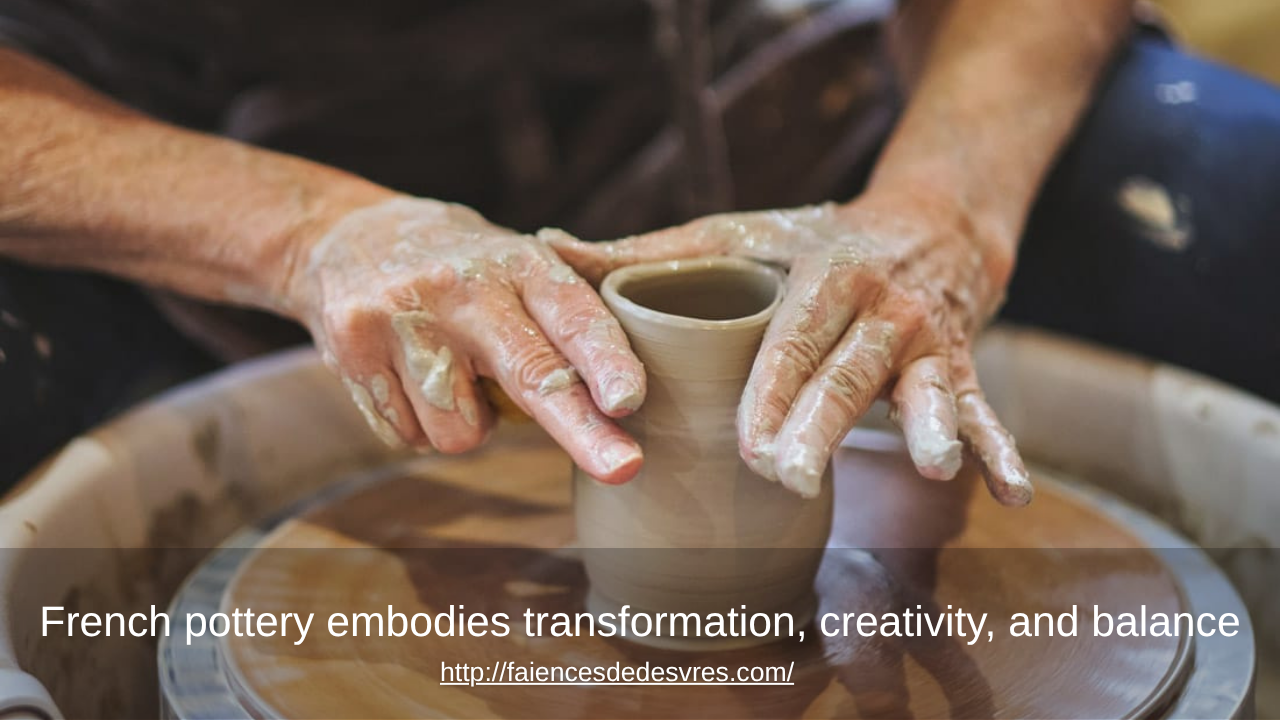
The traditions of French pottery, including the renowned faïence of Desvres, are rooted in precision, patience, and creativity. These qualities translate seamlessly into recovery support. Just as clay is shaped, refined, and strengthened through careful handling and firing, individuals can transform their own lives through dedicated, guided therapy. The tactile, cultural, and aesthetic dimensions of French ceramics enrich the therapeutic experience, making healing tangible and meaningful.

Building Confidence and Purpose

Completing a pottery project provides a tangible sense of accomplishment. Each finished piece reflects patience, skill, and perseverance—qualities directly applicable to recovery. Achieving small creative milestones reinforces self-esteem, promotes motivation, and fosters a renewed sense of purpose in daily life.

Community and Connection

Pottery workshops also provide a supportive community setting. Group sessions encourage social interaction, mutual encouragement, and shared learning. For those recovering from addiction, cultivating these connections can help reduce isolation, strengthen accountability, and build a network of supportive peers.

Integrating Pottery Into Holistic Care

At [Faïences de Desvres], addiction and mental health treatment are approached holistically. Programs include inpatient and outpatient care, faith-based guidance, and individualized plans tailored to each participant’s needs. Pottery workshops are integrated into this framework as both a therapeutic and creative practice. By engaging mind, body, and spirit, these sessions complement traditional counseling, medical care, and holistic interventions.

A Path Toward Lasting Healing

Pottery is more than a craft. It is a metaphor for the recovery process: fragile yet resilient, requiring patience, guidance, and repeated effort. By combining French ceramic artistry with compassionate, individualized care, individuals can cultivate mindfulness, express emotions, and rediscover a sense of purpose.

If you or a loved one is seeking a compassionate, holistic approach to recovery, now is the time to take the next step. With skilled guidance, supportive community, and the transformative power of creative engagement, healing is within reach. Reach out today to explore how pottery and personalized care can help reshape your journey toward mental health and lasting recovery.

The Clay Connection: Mindfulness and Healing in French Ceramic Arts

Addiction recovery and mental health treatment are not only about breaking harmful cycles. They are about rediscovering balance, peace, and purpose in life. In recent years, creative therapies have been recognized as powerful companions to traditional treatment. Among them, French ceramic arts stand out as a unique tool for healing. Working with clay encourages mindfulness, self-expression, and emotional resilience, offering individuals in recovery a tangible way to reconnect with themselves and their journey toward wellness.

Why Mindfulness Matters in Recovery

Addiction often disconnects individuals from the present moment. Stress, cravings, and intrusive thoughts can pull attention away from healing. Mindfulness practices, such as meditation or creative expression, help bring awareness back to the here and now. Pottery, with its rhythmic movements and grounding textures, is naturally mindful. Each step—kneading, shaping, glazing—requires focus and patience. This not only reduces anxiety but also fosters a sense of calm and control, essential qualities in maintaining sobriety.

The Therapeutic Power of Clay

Symbolism in Transformation

Clay begins as something soft and fragile. Through care, patience, and fire, it transforms into a strong and lasting creation. This mirrors the recovery journey. Individuals who may feel broken or uncertain at first can, with the right guidance, emerge resilient and renewed.

Expression Beyond Words

Many people in recovery struggle to express difficult emotions verbally. Pottery provides a non-verbal outlet. The forms, textures, and patterns that emerge in clay often reflect inner experiences, creating a safe way to process feelings that might otherwise remain hidden.

Building Resilience

Pottery teaches the importance of patience and acceptance. A piece may crack or collapse, but it can be reshaped or rebuilt. This lesson carries over into recovery, reminding individuals that setbacks are not failures but opportunities to grow stronger.

French Ceramic Arts: Tradition Meets Healing

France has a long and celebrated history of ceramic craftsmanship, from the famous faïence of Desvres to the timeless porcelain of Limoges. Incorporating these traditions into therapy connects individuals not only to creativity but also to culture and community. Workshops rooted in these practices provide both structure and inspiration. They create a nurturing environment where individuals can learn, share, and heal together.

Integrating Pottery Into Holistic Treatment

At [Faïences de Desvres], recovery is approached with compassion and personalization. Addiction treatment and mental health support are offered through inpatient and outpatient programs that adapt to each person’s unique needs. Integrating pottery workshops into this care provides holistic healing for the mind, body, and spirit.

Inpatient Care

Inpatient treatment offers a structured environment where individuals can focus entirely on recovery. Creative therapies like pottery provide daily moments of calm and reflection, complementing medical and therapeutic care.

Outpatient Support

For those balancing recovery with everyday responsibilities, outpatient care provides flexibility. Pottery sessions can be a grounding practice between counseling appointments and daily life, reinforcing healthy coping strategies.

Faith-Based and Individualized Approaches

Spiritual and personal values are honored throughout the healing process. Pottery becomes another avenue for self-discovery, helping individuals align their recovery with their beliefs and goals.

Finding Strength in the Clay Connection

Addiction recovery is a journey of transformation. Just as clay is shaped, strengthened, and given new purpose, so too can individuals reshape their lives with patience and care. The mindfulness and creativity found in French ceramic arts make pottery more than a craft. It becomes a tool for healing, reflection, and resilience.

If you or a loved one is seeking a holistic and compassionate approach to recovery, now is the time to take the next step. With the right guidance and support, healing is possible—and like a piece of clay transformed in the kiln, life can emerge stronger, more purposeful, and beautifully renewed.

From Fragile to Strong: Addiction Recovery Through the Lens of French Pottery

Addiction recovery is not only about breaking free from harmful substances. It is about rebuilding strength, regaining balance, and learning how to shape a new life with purpose and resilience. Just as clay transforms from something soft and fragile into something durable and beautiful through the careful hands of an artisan, individuals in recovery can experience a powerful transformation with the right support. By viewing recovery through the lens of French pottery, we gain a meaningful perspective on how healing unfolds and how holistic, compassionate care can turn vulnerability into strength.

The Symbolism of Clay in Recovery

Clay, in its raw form, is malleable and impressionable. It requires patience, guidance, and time to become something lasting. Addiction often leaves individuals feeling fragile, uncertain, and without structure. Yet, just like clay, lives can be reshaped. The process of recovery is not about perfection but about progress, persistence, and resilience. Each step taken, no matter how small, strengthens the foundation for a healthier future.

Lessons from French Pottery Traditions

French pottery, especially the renowned faïence of Desvres, is celebrated for its artistry and durability. These pieces begin as fragile materials but emerge from the kiln stronger than before. This transformation reflects the recovery journey. The fire of challenges—whether it be detox, therapy, or personal struggle—does not destroy but instead strengthens when approached with the right care.

Crafting Patience and Mindfulness

Pottery teaches patience. It requires steady hands, focus, and the acceptance that mistakes are part of the process. In recovery, patience with oneself is equally vital. Healing takes time, and setbacks are not failures but opportunities to reshape and grow.

Embracing Community and Support

Pottery has long been part of French cultural tradition, often shared in communities and workshops. Similarly, recovery is rarely achieved in isolation. Support groups, inpatient or outpatient programs, and therapeutic communities provide encouragement and accountability. They remind individuals that they are not alone on the wheel of transformation.

Addiction Recovery as a Holistic Journey

At [Faïences de Desvres], recovery is approached with the understanding that every individual is unique. Treatment is not one-size-fits-all but carefully tailored to personal needs. This includes evidence-based addiction treatment, mental health therapy, and holistic practices that nurture both mind and spirit. Just as no two ceramic pieces are identical, no two recovery journeys are the same.

Inpatient and Outpatient Care Options

For some, inpatient treatment provides the structured environment needed to begin recovery. For others, outpatient care allows healing while maintaining family and community responsibilities. Both approaches offer access to compassionate professionals who guide individuals in shaping healthier lives.

Faith-Based and Individualized Healing

Faith and spirituality can be powerful anchors during recovery. Combined with individualized care plans, they create a pathway that addresses not only physical healing but emotional and spiritual renewal as well.

From Fragile to Strong: A Path Forward

The art of French pottery offers more than a cultural lesson. It serves as a reminder that transformation is possible, no matter how fragile life may feel. Through the fire of challenges and the careful shaping of supportive care, individuals can emerge resilient and strong.

If you or a loved one is seeking recovery, know that help is available. Just as clay becomes stronger through the hands of a skilled artisan, your life can be reshaped with compassion, care, and determination. Reach out today to begin your journey from fragile to strong.

Artisanal Recovery: How Pottery Workshops in France Offer New Paths from Addiction

Finding a path to lasting recovery from addiction often means looking beyond traditional treatment. While medical care, counseling, and structured programs are essential, creative therapies can offer a unique and deeply personal way to heal. In France, pottery workshops are emerging as a powerful complement to addiction recovery programs, blending hands-on artistry with therapeutic mindfulness. These workshops not only teach a craft but also provide individuals with a renewed sense of purpose, peace, and connection.

The Link Between Creativity and Healing

Addiction recovery involves more than overcoming physical dependence. It requires emotional resilience, mental clarity, and the rebuilding of self-worth. Creative therapies, like pottery, help achieve these goals by engaging the mind and body in a calming, constructive activity. Working with clay demands focus, patience, and a connection to the present moment, which can be transformative for someone learning to live without substances.

Why Pottery Works in Recovery

Mindfulness Through Movement

Shaping clay is a meditative process. The rhythmic motions of molding and smoothing require attention to detail and encourage the participant to be fully present. This can reduce anxiety, improve concentration, and replace negative thought patterns with healthier ones.

Symbolism of Transformation

The journey from raw clay to a finished piece mirrors the recovery process itself. Just as clay can be shaped, reshaped, and strengthened through the kiln, individuals can transform their lives through commitment, care, and patience.

Emotional Expression Without Words

Many in recovery struggle to put their feelings into words. Pottery offers a safe, non-verbal outlet for expressing emotions, channeling energy into a tangible creation that reflects personal growth.

The French Pottery Tradition as a Healing Tool

France’s rich history of ceramics, from the renowned faïence of Desvres to the rustic charm of Provençal pottery, provides both cultural depth and artistic inspiration. Workshops in these traditions often take place in serene, supportive environments that foster creativity and community. In recovery settings, this connection to heritage and beauty can be grounding and uplifting.

Integrating Pottery into Holistic Addiction Treatment

Effective addiction recovery programs recognize that healing must address the whole person—mind, body, and spirit. Pottery workshops can be integrated into holistic care plans that also include counseling, medical support, and spiritual guidance. Whether as part of inpatient treatment or an outpatient wellness program, pottery helps participants develop new skills, healthy coping strategies, and a sense of accomplishment.

Building Community

Group pottery sessions offer more than artistic instruction. They create a shared space for encouragement, laughter, and mutual support. This social connection is vital in preventing isolation, a common trigger for relapse.

Encouraging Long-Term Wellness

Many participants continue pottery as a lifelong hobby, turning it into an ongoing source of relaxation, creativity, and even income. It becomes a healthy habit that reinforces their commitment to sobriety.

A New Path Forward

Recovery is not a one-size-fits-all journey. For some, the quiet focus of working with clay may be exactly the tool they need to rebuild their lives. French pottery workshops offer more than artistic skill—they offer hope, resilience, and a tangible reminder that transformation is always possible.

If you or someone you love is struggling with addiction, consider exploring a recovery program that includes creative therapies. With the right support, guidance, and a little clay, new beginnings can be shaped—one mindful moment at a time.

Shaping Sobriety: The Role of Traditional French Pottery in Addiction Therapy

In the evolving landscape of addiction recovery, creative and holistic approaches are becoming increasingly valuable. One such unconventional but powerful method is pottery—specifically, traditional French pottery. Rooted in centuries-old craftsmanship and cultural heritage, French ceramics offer more than aesthetic beauty; they provide a therapeutic path toward sobriety, self-expression, and inner peace.

The journey of addiction recovery is often chaotic, filled with emotional ups and downs, self-doubt, and internal conflict. Traditional talk therapy and medical treatment are essential, but hands-on, creative activities can open new doors to healing. Pottery provides a grounding, sensory experience that allows individuals to reconnect with their bodies and minds. The very act of shaping clay—kneading, molding, forming—requires mindfulness, patience, and presence, all of which are vital to staying clean and centered.

France’s pottery traditions, from the rustic earthenware of Provence to the elegant porcelain of Limoges, are steeped in a legacy of simplicity, beauty, and intentionality. Engaging in these time-honored practices gives recovering individuals a sense of connection—not only to the earth and their own creativity but to a rich history of craftsmanship. In therapeutic settings, traditional French pottery techniques are used to help people in recovery regain control over their lives through slow, deliberate actions.

The process of creating pottery mirrors the stages of addiction recovery in a profound way. At first, the clay is unformed, messy, and resistant—much like the chaos someone might feel in early sobriety. But through focused effort, persistence, and learning to adapt, the clay gradually takes shape. It may collapse, crack, or fall apart along the way, but it can always be reworked and reimagined. This encourages a mindset of resilience and flexibility, teaching that setbacks are not failures, but part of the process.

Traditional French pottery also encourages emotional expression without the need for words. For many recovering from substance abuse, it’s difficult to articulate the complex emotions that fuel addiction—shame, trauma, anxiety, and loss. Working with clay offers a non-verbal outlet for those feelings. Through texture, form, and design, individuals can channel their emotions into something tangible and meaningful.

Community is another vital element. Pottery workshops often bring people together in a shared space of creativity and vulnerability. Participants work side-by-side, supporting each other’s efforts, celebrating progress, and learning through collaboration. This sense of belonging and connection is essential in recovery, where isolation and loneliness can be powerful relapse triggers.

In essence, traditional French pottery does more than produce beautiful works of art—it helps shape new lives. The lessons learned at the wheel or worktable—patience, acceptance, self-awareness, and perseverance—are the same skills needed to maintain sobriety. By embracing this centuries-old craft, individuals recovering from addiction are not only shaping clay—they are shaping a stronger, healthier version of themselves.

Shaping sobriety, one pot at a time, French pottery offers a quiet but powerful reminder: transformation is possible, and beauty can emerge from even the roughest raw materials.

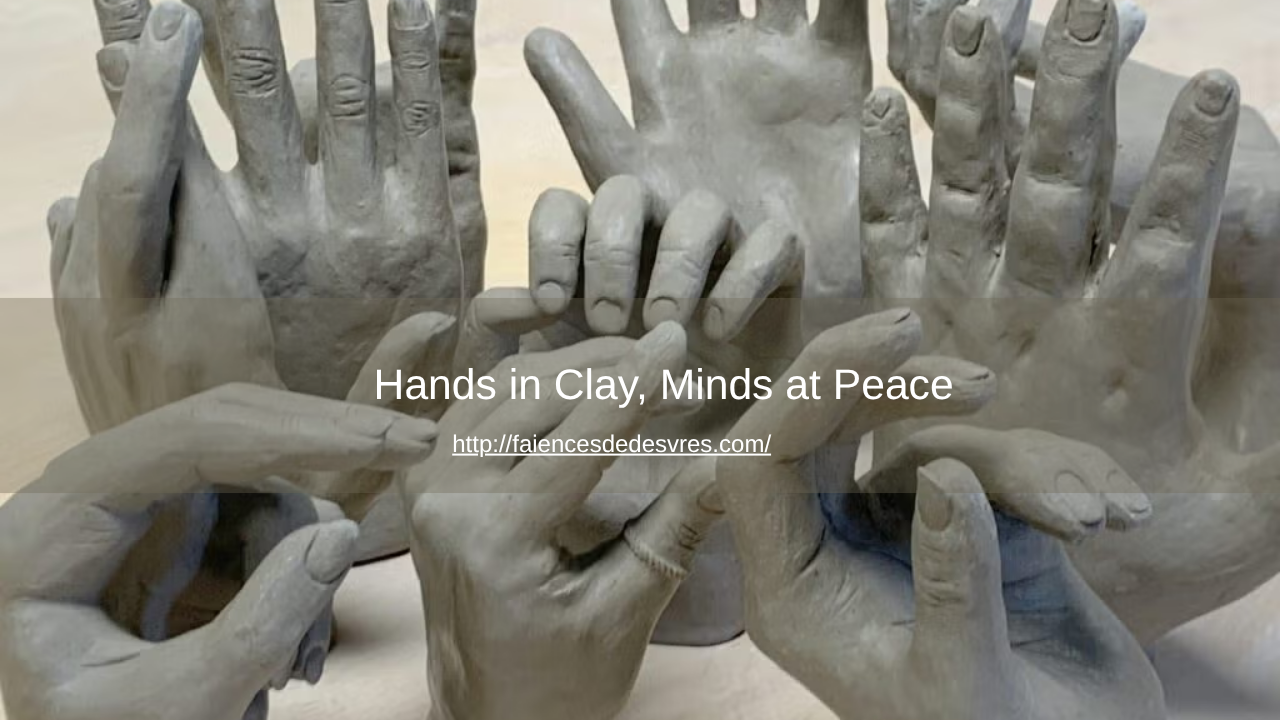
Hands in Clay, Mind at Peace: French Ceramics as a Recovery Tool

Recovery from addiction is a multifaceted journey, often requiring more than just medical treatment or counseling. For many, healing involves rediscovering peace, purpose, and a connection to the present moment. One unexpected but increasingly recognized tool in this process is the art of ceramics. In particular, the time-honored tradition of French pottery offers a unique therapeutic experience that supports recovery in profound ways.

The act of creating pottery engages both body and mind. Shaping clay requires concentration, gentle movements, and patience—qualities that are often strained or diminished in individuals struggling with addiction. As hands work the clay, the mind is invited to slow down, focusing on texture, form, and breath. This mindful engagement helps reduce anxiety, quiet intrusive thoughts, and foster a state of calm. The result is not only a piece of art but also a moment of peace and emotional grounding.

France has a long and celebrated history of ceramics, from the rustic pottery of Provence to the refined porcelain of Limoges. These crafts are more than decorative traditions; they represent a connection to the earth, to history, and to human creativity. Today, pottery workshops across France are opening their doors to individuals in addiction recovery, offering hands-on sessions that serve as both art instruction and therapeutic practice.

The process of making ceramics mirrors the process of recovery itself. Clay is soft, pliable, and forgiving, much like the early stages of personal healing. Mistakes are part of the learning process, not failures. If a piece collapses or cracks, it can often be reworked or reimagined. This approach helps those in recovery build resilience and patience—qualities crucial for maintaining sobriety and navigating life’s challenges.

Working with clay also provides a sense of accomplishment and purpose. Addiction often leaves individuals feeling powerless and stuck in cycles of guilt or shame. Ceramics offer an opportunity to create something tangible and lasting, helping rebuild self-esteem and pride. Each completed bowl, plate, or sculpture becomes a symbol of effort, persistence, and progress.

Beyond the personal benefits, French ceramics workshops foster a sense of community. Pottery classes are often collaborative spaces where participants share ideas, support one another, and celebrate each other’s creations. For many in recovery, this connection is vital. Isolation is a common companion of addiction, and rebuilding healthy social bonds can be just as important as breaking the chemical dependency.

Incorporating art therapy into addiction treatment isn’t new, but French ceramics offer a particularly rich avenue for healing. The tactile, meditative nature of working with clay, combined with the cultural depth of French pottery traditions, creates a meaningful and transformative experience.

In the end, placing hands in clay is more than a creative act—it’s a therapeutic one. For those seeking peace and recovery, French ceramics offer not just pottery lessons, but life lessons: patience, resilience, creativity, and the courage to start anew.

From Kiln to Clarity: The Therapeutic Power of French Pottery in Battling Addiction

Addiction recovery is not just about breaking physical dependence—it’s also about restoring emotional balance, rebuilding identity, and finding purpose. In recent years, non-traditional therapies have been gaining attention for their holistic healing properties, and one surprising contender is pottery. In particular, the rich tradition of French pottery has emerged as a powerful therapeutic medium, offering those in recovery a unique path from chaos to clarity.

The process of creating pottery is inherently therapeutic. It involves grounding oneself in the present moment—feeling the weight of the clay, focusing on the turning wheel, and shaping each curve with care. For individuals recovering from addiction, this immersive, hands-on experience can be a meditative escape from racing thoughts, cravings, and emotional turmoil. The tactile nature of clay encourages mindfulness, helping individuals reconnect with their bodies and quiet their minds.

In France, pottery is more than just a craft—it is a cultural heritage. From the rustic charm of Provençal earthenware to the elegant porcelain of Limoges, French pottery reflects centuries of tradition and artistry. Recovery programs that incorporate this art form tap into both its aesthetic beauty and its healing potential. Therapeutic pottery workshops, often held in serene countryside studios or community art centers, allow participants to learn from master potters while engaging in a creative process that mirrors personal transformation.

The journey from raw clay to a finished ceramic piece is symbolic of the recovery process itself. Clay starts as a shapeless, formless substance, much like a life in the grip of addiction. Through the stages of molding, drying, firing in the kiln, and glazing, it transforms into something resilient, useful, and often beautiful. Each phase demands patience, care, and acceptance of imperfection—qualities that are vital for anyone healing from substance use.

The kiln, in particular, serves as a powerful metaphor. It is a place of intense heat and pressure, much like the emotional crucibles individuals face during detox and early recovery. Yet, it is in the kiln that clay becomes durable and strong. Many recovering individuals find solace in this metaphor, seeing their own struggles as necessary trials that will ultimately harden them into a stronger version of themselves.

French pottery also fosters community, a key component in overcoming addiction. Group classes provide a safe, non-judgmental space where participants can share experiences, support each other, and celebrate progress. This sense of belonging is especially important for those who have felt isolated or stigmatized due to their addiction.

In essence, the therapeutic power of French pottery lies in its ability to heal from the inside out. It offers a sense of accomplishment, a channel for emotional expression, and a reminder that beauty can emerge from struggle. From the spinning wheel to the roaring kiln, pottery helps individuals in recovery craft not only ceramics—but also a clearer, stronger, and more hopeful future.

Ask ChatGPT

The Role of Professional Family Support Services in Strengthening Families

Families are the cornerstone of society, providing emotional, financial, and social support to individuals. However, modern families face various challenges, from financial struggles to mental health concerns and parenting difficulties. Professional family support services play a crucial role in strengthening families by offering guidance, resources, and interventions tailored to their unique needs.

What Are Professional Family Support Services?

Professional family support services encompass a range of programs and interventions designed to help families overcome challenges and maintain stability. These services can include counseling, parenting education, financial assistance, mental health support, and crisis intervention. They are typically provided by trained professionals such as social workers, family therapists, and support coordinators who understand the complexities of family dynamics and work to improve overall well-being.

How Family Support Services Strengthen Families

  1. Providing Emotional and Mental Health Support
    Many families struggle with emotional distress, mental health disorders, or traumatic experiences that affect their relationships. Professional support services offer counseling and therapy to help family members navigate emotional challenges, improve communication, and build resilience. By addressing mental health concerns early, these services prevent long-term dysfunction and promote a healthier family environment.
  2. Enhancing Parenting Skills
    Parenting is one of the most challenging yet rewarding responsibilities. Many parents face difficulties managing their children’s behavior, disciplining effectively, or dealing with developmental concerns. Professional support services offer parenting workshops, coaching, and resources that equip parents with effective strategies to nurture and guide their children. These programs help create a stable and supportive home environment, essential for a child’s emotional and cognitive development.
  3. Financial Guidance and Assistance
    Economic hardships can place immense stress on families, leading to conflicts and instability. Family support services often provide financial counseling, job placement assistance, and access to social welfare programs. These resources help families become financially self-sufficient, reducing stress and improving overall well-being.
  4. Strengthening Communication and Conflict Resolution
    Effective communication is vital for a strong and healthy family. Many conflicts arise due to misunderstandings or unresolved tensions. Family support services offer mediation and conflict resolution training, helping family members learn how to communicate effectively, express their needs, and resolve disagreements peacefully.
  5. Crisis Intervention and Safety Planning
    Families facing crises such as domestic violence, substance abuse, or homelessness require immediate support. Professional family services provide emergency housing, legal assistance, and rehabilitation programs to help families recover and rebuild their lives. Early intervention prevents crises from escalating and ensures the safety and well-being of all family members.

Conclusion

Professional family support services play a vital role in strengthening families by addressing emotional, financial, and social challenges. These services empower families to build resilience, develop strong relationships, and create a nurturing environment for their children. By investing in family support programs, society can foster stronger, healthier communities where families thrive.