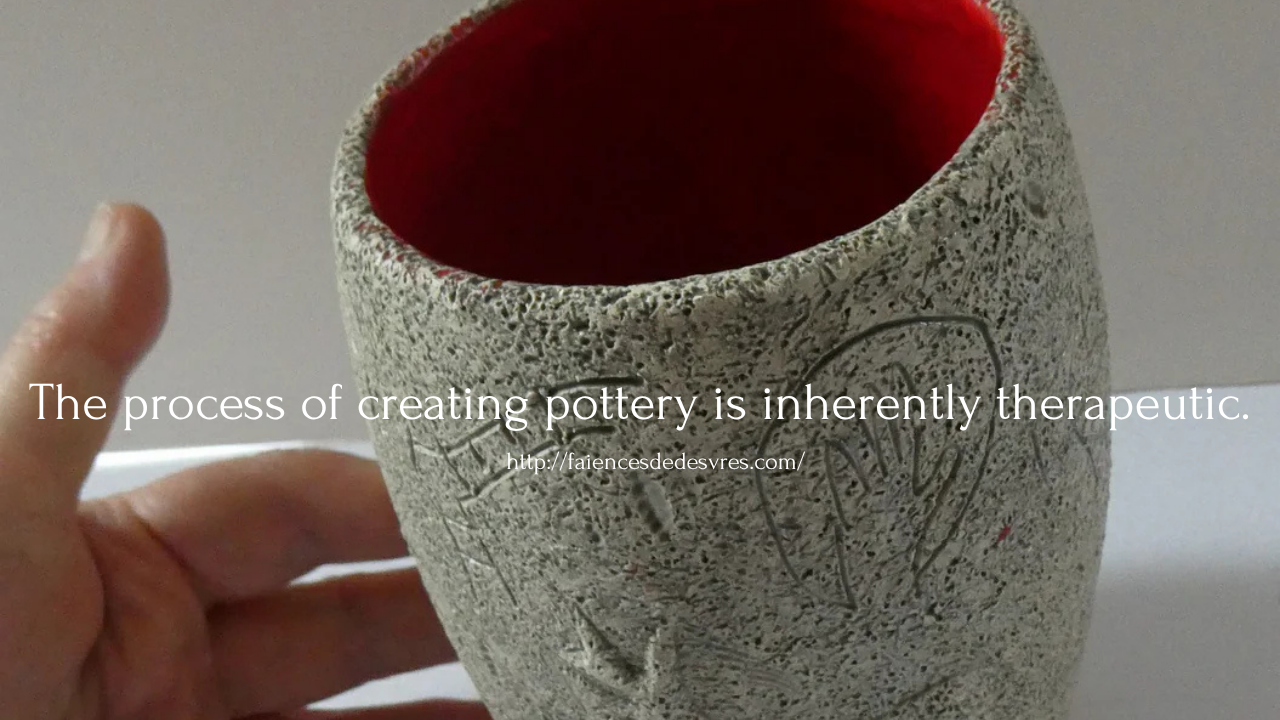
 Addiction recovery is not just about breaking physical dependence—it’s also about restoring emotional balance, rebuilding identity, and finding purpose. In recent years, non-traditional therapies have been gaining attention for their holistic healing properties, and one surprising contender is pottery. In particular, the rich tradition of French pottery has emerged as a powerful therapeutic medium, offering those in recovery a unique path from chaos to clarity.
The process of creating pottery is inherently therapeutic. It involves grounding oneself in the present moment—feeling the weight of the clay, focusing on the turning wheel, and shaping each curve with care. For individuals recovering from addiction, this immersive, hands-on experience can be a meditative escape from racing thoughts, cravings, and emotional turmoil. The tactile nature of clay encourages mindfulness, helping individuals reconnect with their bodies and quiet their minds.
In France, pottery is more than just a craft—it is a cultural heritage. From the rustic charm of Provençal earthenware to the elegant porcelain of Limoges, French pottery reflects centuries of tradition and artistry. Recovery programs that incorporate this art form tap into both its aesthetic beauty and its healing potential. Therapeutic pottery workshops, often held in serene countryside studios or community art centers, allow participants to learn from master potters while engaging in a creative process that mirrors personal transformation.
The journey from raw clay to a finished ceramic piece is symbolic of the recovery process itself. Clay starts as a shapeless, formless substance, much like a life in the grip of addiction. Through the stages of molding, drying, firing in the kiln, and glazing, it transforms into something resilient, useful, and often beautiful. Each phase demands patience, care, and acceptance of imperfection—qualities that are vital for anyone healing from substance use.
The kiln, in particular, serves as a powerful metaphor. It is a place of intense heat and pressure, much like the emotional crucibles individuals face during detox and early recovery. Yet, it is in the kiln that clay becomes durable and strong. Many recovering individuals find solace in this metaphor, seeing their own struggles as necessary trials that will ultimately harden them into a stronger version of themselves.
French pottery also fosters community, a key component in overcoming addiction. Group classes provide a safe, non-judgmental space where participants can share experiences, support each other, and celebrate progress. This sense of belonging is especially important for those who have felt isolated or stigmatized due to their addiction.
In essence, the therapeutic power of French pottery lies in its ability to heal from the inside out. It offers a sense of accomplishment, a channel for emotional expression, and a reminder that beauty can emerge from struggle. From the spinning wheel to the roaring kiln, pottery helps individuals in recovery craft not only ceramics—but also a clearer, stronger, and more hopeful future.
