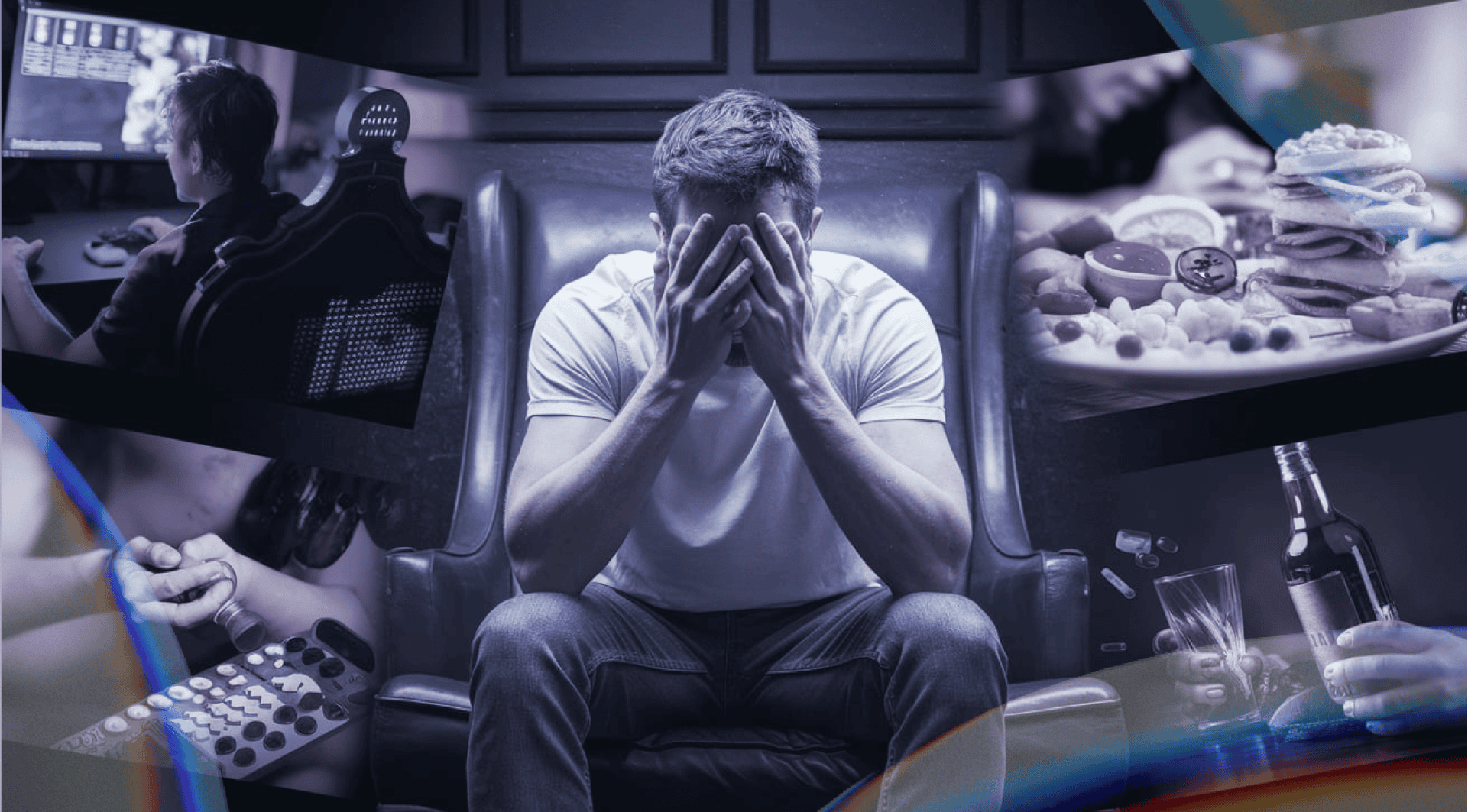
 Success often comes with pressure, responsibility, and high expectations. For many professionals, those demands can quietly contribute to unhealthy coping behaviors, including gambling addiction. White-collar gambling addiction is a growing but often hidden issue affecting executives, entrepreneurs, financial professionals, and other high-achieving individuals. While the outward appearance may reflect stability and accomplishment, the emotional and psychological impact behind the scenes can be overwhelming. Understanding how gambling addiction affects mental health is an important step toward healing, balance, and long-term recovery.
Understanding White-Collar Gambling Addiction
White-collar gambling addiction refers to compulsive gambling behaviors among professionals who maintain careers, financial responsibilities, and social status while privately struggling with addiction. Because these individuals are often highly functional in public settings, the warning signs may go unnoticed for years.
Many professionals initially turn to gambling as a form of entertainment, stress relief, or escape from work-related pressure. Over time, however, occasional gambling can develop into a compulsive behavior that affects emotional well-being, relationships, and financial stability.
Why Professionals Are at Higher Risk
Several factors contribute to the rise of gambling addiction among high-achieving individuals:
- High-stress careers and performance pressure
- Easy access to money or credit
- Competitive personalities and risk-taking tendencies
- Long work hours and emotional burnout
- Isolation despite professional success
These pressures can create a cycle where gambling becomes a temporary emotional release that eventually leads to deeper mental health struggles.
The Mental Health Impact of Gambling Addiction
Gambling addiction is not simply a financial issue. It has a significant impact on emotional and psychological health. Many professionals silently experience anxiety, depression, shame, and emotional exhaustion while trying to maintain the appearance of success.
Anxiety and Chronic Stress
The stress associated with gambling addiction can become constant. Professionals may worry about financial losses, hidden debt, damaged reputations, or maintaining control over their personal and professional lives.
This chronic stress often leads to:
- Difficulty sleeping
- Irritability and mood swings
- Trouble concentrating at work
- Physical tension and fatigue
- Increased emotional reactivity
Without support, the cycle of stress and gambling can intensify over time.
Depression and Emotional Isolation
Many individuals struggling with gambling addiction feel trapped by shame and secrecy. They may isolate themselves from family, friends, or coworkers to avoid difficult conversations or judgment.
Depression can develop when individuals feel overwhelmed by financial consequences, strained relationships, or a loss of personal identity. Even successful professionals may experience hopelessness while silently battling addiction.
Recognizing the Warning Signs
White-collar gambling addiction often remains hidden because professionals continue meeting responsibilities while struggling privately. Recognizing the warning signs early can help prevent more serious consequences.
Common Signs of Gambling Addiction in Professionals
- Gambling to cope with stress or emotional discomfort
- Hiding financial activities or gambling behavior
- Spending increasing amounts of money or time gambling
- Difficulty stopping despite negative consequences
- Declining work performance or focus
- Emotional withdrawal from loved ones
Acknowledging these signs is not a sign of weakness. It is a critical step toward recovery and improved mental health.
The Importance of Comprehensive Treatment
Lasting recovery requires more than simply stopping gambling. Effective treatment addresses the emotional, mental, physical, and spiritual aspects of addiction.
At Faience de Desvres, treatment programs are designed to provide compassionate, individualized care that supports both addiction recovery and mental wellness.
Inpatient and Outpatient Treatment Options
Different individuals require different levels of support depending on the severity of the addiction and personal responsibilities.
Inpatient Treatment
Inpatient care offers a structured environment where individuals can step away from daily stressors and focus fully on recovery. This setting provides intensive therapeutic support, emotional stabilization, and holistic healing practices.
Outpatient Treatment
Outpatient programs allow professionals to continue managing work and family obligations while receiving ongoing therapy and support. This option offers flexibility while helping individuals build healthy coping strategies in real-world situations.
Holistic and Faith-Based Approaches to Healing
Holistic treatment focuses on healing the whole person, not just the addictive behavior. Emotional health, physical wellness, stress management, and spiritual support all play an important role in sustainable recovery.
Holistic Recovery Practices
Holistic care may include:
- Mindfulness and meditation
- Stress reduction techniques
- Nutritional and wellness support
- Individual therapy and group counseling
- Healthy lifestyle development
These practices help individuals regain emotional balance and strengthen resilience during recovery.
Faith-Based Support
For many people, spiritual guidance provides comfort, accountability, and renewed purpose. Faith-based support can help individuals reconnect with personal values and find hope during the healing process.
Rebuilding Life After Gambling Addiction
Recovery is not about perfection. It is about learning healthier ways to manage stress, rebuild trust, and create a balanced life that supports long-term wellness.
Professionals recovering from gambling addiction often benefit from continued counseling, peer support, and relapse prevention strategies that strengthen emotional stability and confidence.
Healing takes time, but recovery can lead to healthier relationships, improved mental health, and a stronger sense of purpose both personally and professionally.
Taking the First Step Toward Recovery
The hidden cost of success should never come at the expense of mental health and well-being. White-collar gambling addiction can affect even the most accomplished individuals, but help is available, and recovery is possible.
At Faience de Desvres, compassionate and personalized treatment helps individuals address the root causes of addiction while building a healthier future. Whether through inpatient care, outpatient support, holistic healing, or faith-based guidance, recovery begins with reaching out for help.
If gambling is affecting your mental health, relationships, or professional life, taking the first step today can lead to lasting healing, renewed balance, and a future built on stability rather than secrecy.
