 Recovery from addiction and mental health challenges requires more than clinical treatment alone. True healing often comes from experiences that engage the mind, body, and spirit. One creative approach gaining recognition is pottery. Through the tactile and mindful practice of shaping clay, individuals in recovery can reconnect with themselves, process emotions, and cultivate resilience. In France, where pottery traditions like those of Desvres are steeped in history, these workshops are proving to be a valuable component of holistic care.
Why Pottery Matters in Mental Health Recovery
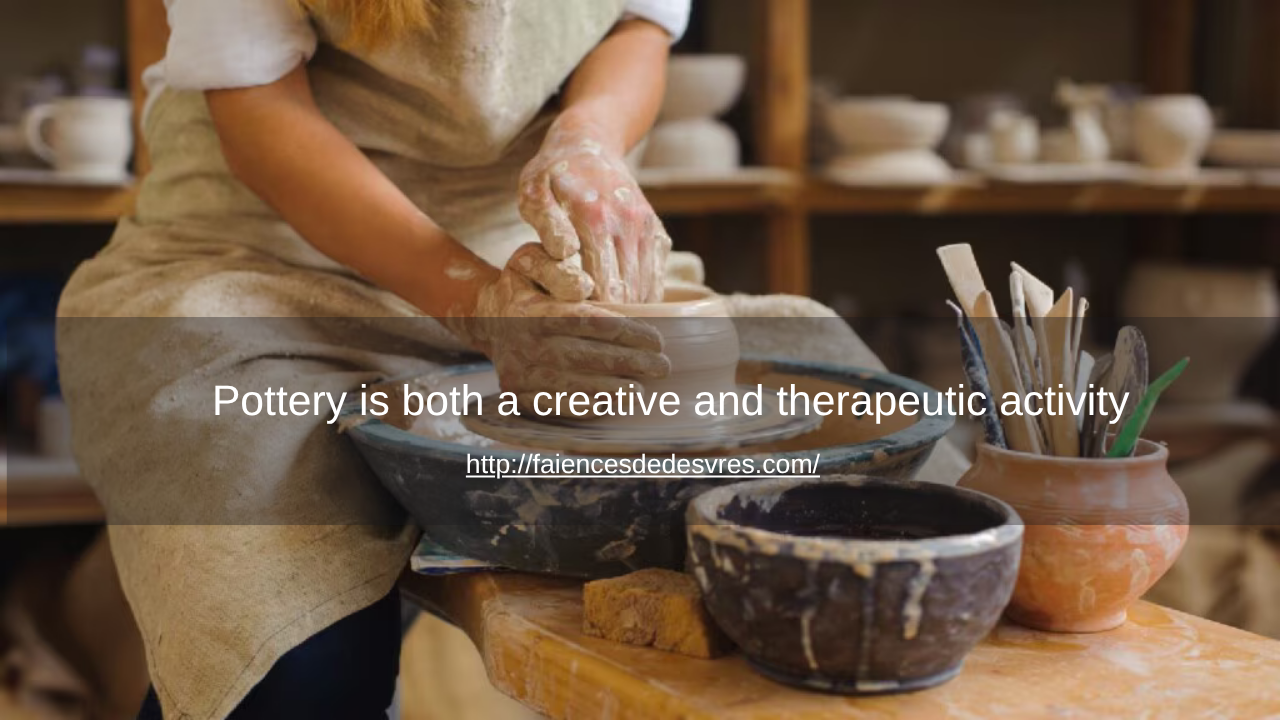
Pottery is both a creative and therapeutic activity. The act of working with clay engages the senses and requires focus, encouraging participants to be present in the moment. This mindfulness can help reduce anxiety, alleviate stress, and promote emotional regulation—essential skills for anyone navigating recovery. By focusing on the process rather than the outcome, individuals can practice patience and self-compassion, both of which are vital for lasting wellness.
Mindfulness in Action
Mindfulness is central to many mental health treatments. Pottery naturally embodies this practice. From centering a lump of clay on the wheel to carefully sculpting or glazing it, every movement demands attention and intention. This focus helps participants quiet their minds, manage cravings, and develop coping strategies that support sobriety and emotional stability.
A Safe Space for Emotional Expression
Art therapy, including pottery, provides an alternative way to process complex emotions. Many individuals in recovery struggle to articulate feelings verbally. Through the textures, shapes, and colors they create, participants can express sadness, hope, frustration, or joy in a safe, non-judgmental way. Each finished piece becomes a tangible reflection of their inner journey, reinforcing the connection between self-expression and healing.
Rebuilding Confidence Through Creativity
Addiction and mental health struggles often erode self-esteem. Pottery allows individuals to experience accomplishment in a concrete form. Every piece completed, whether simple or intricate, reinforces a sense of capability and resilience. Mistakes in clay are not failures—they are opportunities to learn, adapt, and try again. This mirrors the recovery journey, where progress comes from persistence and patience rather than perfection.
The Role of Community
Pottery workshops also foster a sense of community. Participants share space, collaborate, and support one another through the creative process. This social connection combats isolation, a common challenge in recovery, and encourages accountability and encouragement. The friendships and networks built in these workshops often extend beyond the studio, providing ongoing support in daily life.
Integrating Pottery into Holistic Care
At [faiencesdedesvres.com], addiction and mental health recovery are approached holistically. Programs combine inpatient and outpatient care with individualized, faith-based support and creative therapies such as pottery. These sessions are designed to complement traditional counseling and medical care, promoting growth across the physical, emotional, and spiritual dimensions of wellness.
Pottery as a Path to Mind, Body, and Spirit Balance
Engaging in pottery helps participants cultivate patience, presence, and creativity, all of which support long-term recovery. By integrating art therapy into treatment, clients learn that healing can be hands-on, meditative, and deeply personal. The skills developed in the studio—focus, patience, self-expression, and resilience—translate into everyday life, strengthening the foundation for lasting sobriety and mental health.
Shaping a Future of Healing
Pottery is more than an art form—it is a tool for transformation. Through the compassionate guidance offered at [faiencesdedesvres.com], individuals in recovery can use creativity to regain confidence, manage emotions, and build meaningful connections. If you or a loved one are seeking a holistic approach to recovery, embracing both mental health care and creative therapy, reaching out today can be the first step toward a stronger, more balanced future.
