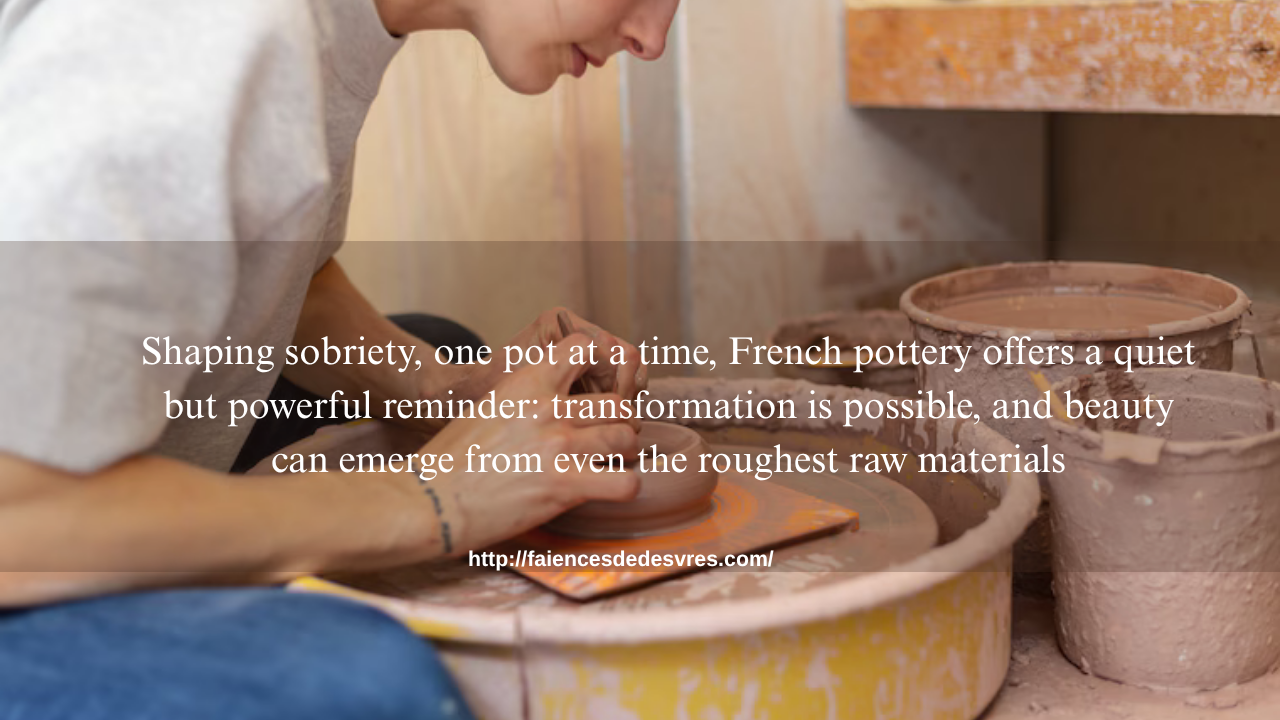
 In the evolving landscape of addiction recovery, creative and holistic approaches are becoming increasingly valuable. One such unconventional but powerful method is pottery—specifically, traditional French pottery. Rooted in centuries-old craftsmanship and cultural heritage, French ceramics offer more than aesthetic beauty; they provide a therapeutic path toward sobriety, self-expression, and inner peace.
The journey of addiction recovery is often chaotic, filled with emotional ups and downs, self-doubt, and internal conflict. Traditional talk therapy and medical treatment are essential, but hands-on, creative activities can open new doors to healing. Pottery provides a grounding, sensory experience that allows individuals to reconnect with their bodies and minds. The very act of shaping clay—kneading, molding, forming—requires mindfulness, patience, and presence, all of which are vital to staying clean and centered.
France’s pottery traditions, from the rustic earthenware of Provence to the elegant porcelain of Limoges, are steeped in a legacy of simplicity, beauty, and intentionality. Engaging in these time-honored practices gives recovering individuals a sense of connection—not only to the earth and their own creativity but to a rich history of craftsmanship. In therapeutic settings, traditional French pottery techniques are used to help people in recovery regain control over their lives through slow, deliberate actions.
The process of creating pottery mirrors the stages of addiction recovery in a profound way. At first, the clay is unformed, messy, and resistant—much like the chaos someone might feel in early sobriety. But through focused effort, persistence, and learning to adapt, the clay gradually takes shape. It may collapse, crack, or fall apart along the way, but it can always be reworked and reimagined. This encourages a mindset of resilience and flexibility, teaching that setbacks are not failures, but part of the process.
Traditional French pottery also encourages emotional expression without the need for words. For many recovering from substance abuse, it’s difficult to articulate the complex emotions that fuel addiction—shame, trauma, anxiety, and loss. Working with clay offers a non-verbal outlet for those feelings. Through texture, form, and design, individuals can channel their emotions into something tangible and meaningful.
Community is another vital element. Pottery workshops often bring people together in a shared space of creativity and vulnerability. Participants work side-by-side, supporting each other’s efforts, celebrating progress, and learning through collaboration. This sense of belonging and connection is essential in recovery, where isolation and loneliness can be powerful relapse triggers.
In essence, traditional French pottery does more than produce beautiful works of art—it helps shape new lives. The lessons learned at the wheel or worktable—patience, acceptance, self-awareness, and perseverance—are the same skills needed to maintain sobriety. By embracing this centuries-old craft, individuals recovering from addiction are not only shaping clay—they are shaping a stronger, healthier version of themselves.
Shaping sobriety, one pot at a time, French pottery offers a quiet but powerful reminder: transformation is possible, and beauty can emerge from even the roughest raw materials.
