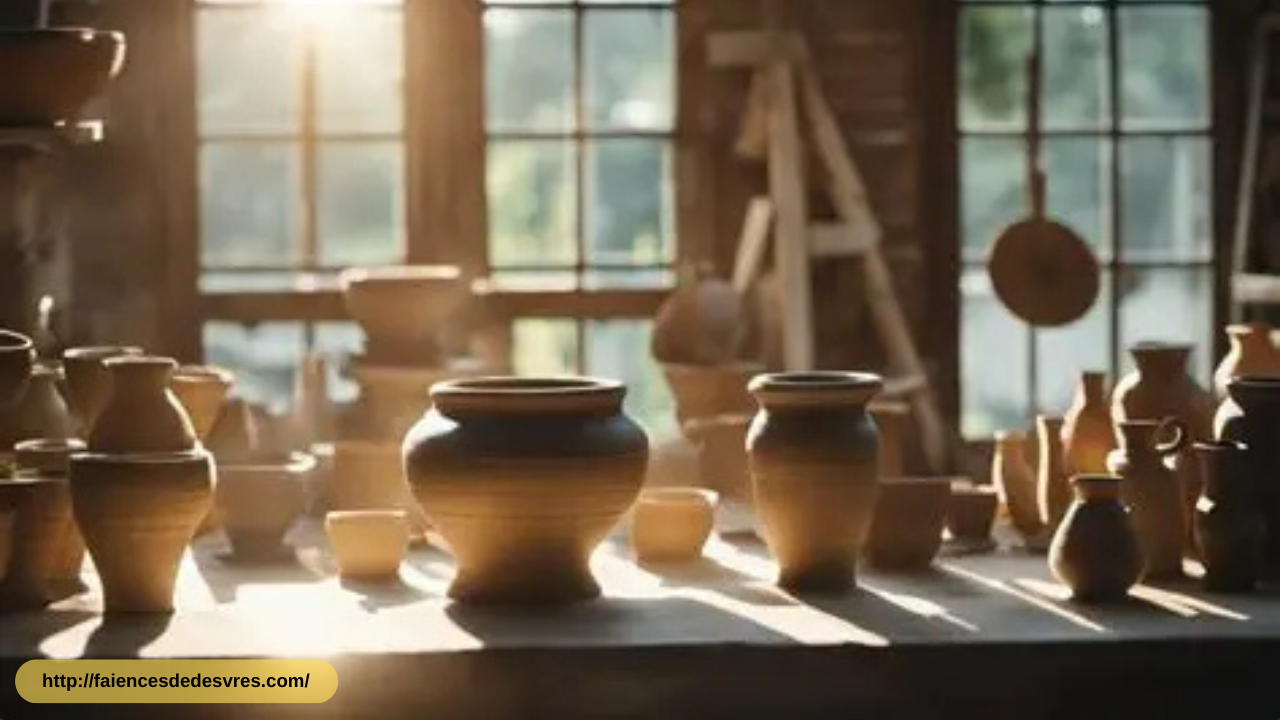
 Finding a path to lasting recovery from addiction often means looking beyond traditional treatment. While medical care, counseling, and structured programs are essential, creative therapies can offer a unique and deeply personal way to heal. In France, pottery workshops are emerging as a powerful complement to addiction recovery programs, blending hands-on artistry with therapeutic mindfulness. These workshops not only teach a craft but also provide individuals with a renewed sense of purpose, peace, and connection.
The Link Between Creativity and Healing
Addiction recovery involves more than overcoming physical dependence. It requires emotional resilience, mental clarity, and the rebuilding of self-worth. Creative therapies, like pottery, help achieve these goals by engaging the mind and body in a calming, constructive activity. Working with clay demands focus, patience, and a connection to the present moment, which can be transformative for someone learning to live without substances.
Why Pottery Works in Recovery
Mindfulness Through Movement
Shaping clay is a meditative process. The rhythmic motions of molding and smoothing require attention to detail and encourage the participant to be fully present. This can reduce anxiety, improve concentration, and replace negative thought patterns with healthier ones.
Symbolism of Transformation
The journey from raw clay to a finished piece mirrors the recovery process itself. Just as clay can be shaped, reshaped, and strengthened through the kiln, individuals can transform their lives through commitment, care, and patience.
Emotional Expression Without Words
Many in recovery struggle to put their feelings into words. Pottery offers a safe, non-verbal outlet for expressing emotions, channeling energy into a tangible creation that reflects personal growth.
The French Pottery Tradition as a Healing Tool
France’s rich history of ceramics, from the renowned faïence of Desvres to the rustic charm of Provençal pottery, provides both cultural depth and artistic inspiration. Workshops in these traditions often take place in serene, supportive environments that foster creativity and community. In recovery settings, this connection to heritage and beauty can be grounding and uplifting.
Integrating Pottery into Holistic Addiction Treatment
Effective addiction recovery programs recognize that healing must address the whole person—mind, body, and spirit. Pottery workshops can be integrated into holistic care plans that also include counseling, medical support, and spiritual guidance. Whether as part of inpatient treatment or an outpatient wellness program, pottery helps participants develop new skills, healthy coping strategies, and a sense of accomplishment.
Building Community
Group pottery sessions offer more than artistic instruction. They create a shared space for encouragement, laughter, and mutual support. This social connection is vital in preventing isolation, a common trigger for relapse.
Encouraging Long-Term Wellness
Many participants continue pottery as a lifelong hobby, turning it into an ongoing source of relaxation, creativity, and even income. It becomes a healthy habit that reinforces their commitment to sobriety.
A New Path Forward
Recovery is not a one-size-fits-all journey. For some, the quiet focus of working with clay may be exactly the tool they need to rebuild their lives. French pottery workshops offer more than artistic skill—they offer hope, resilience, and a tangible reminder that transformation is always possible.
If you or someone you love is struggling with addiction, consider exploring a recovery program that includes creative therapies. With the right support, guidance, and a little clay, new beginnings can be shaped—one mindful moment at a time.
